Pedicure Hygiene · The Sterile Standard
Safe Pedicure Foot Spas
A circulating foot-spa basin can retain skin, oils, nail debris and microorganisms in screens, jets, pipes and filters. Safe use depends on draining, cleaning and disinfecting the complete system between clients, then completing the deeper procedure required at the end of the day and on the equipment schedule.
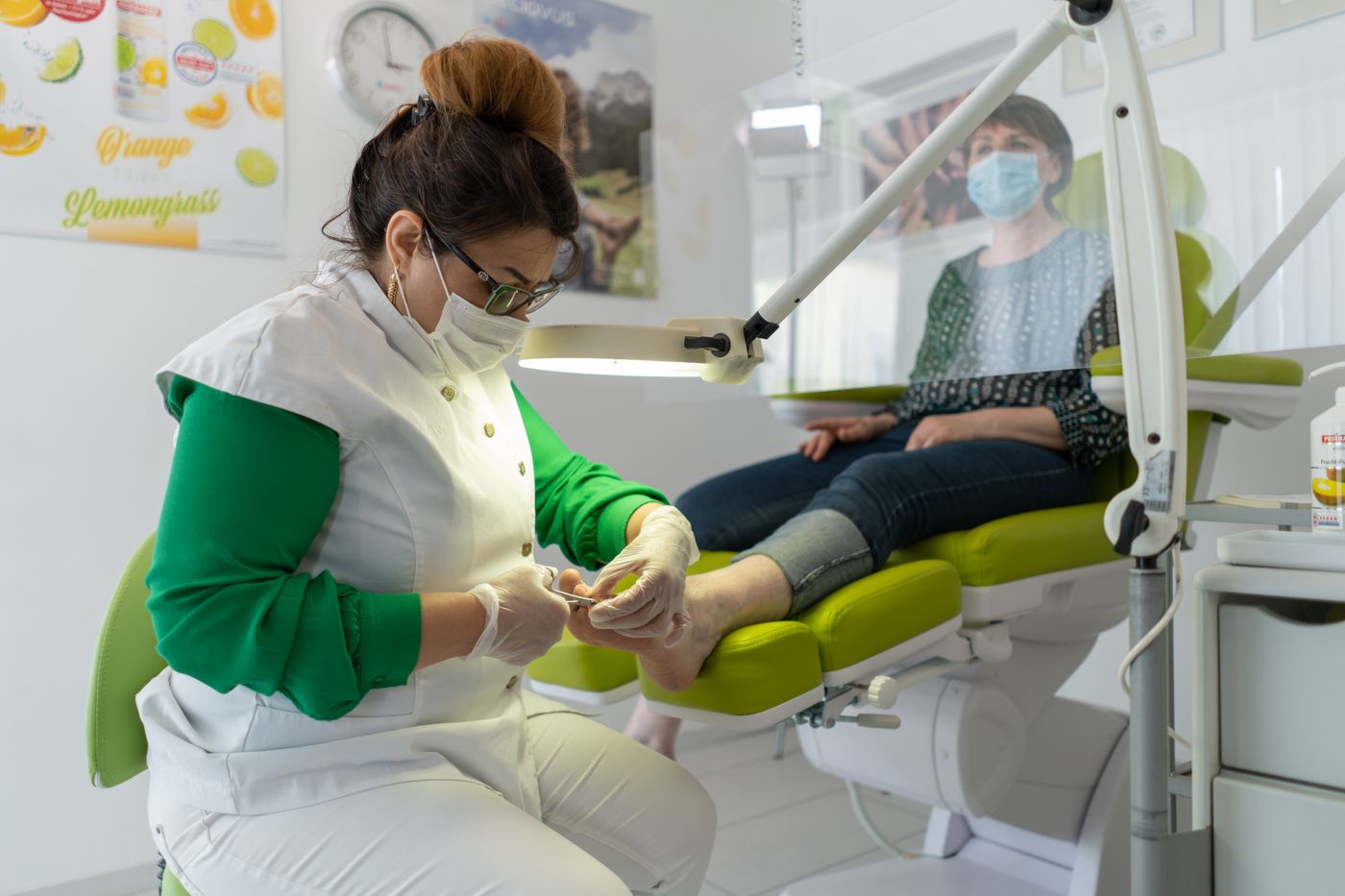
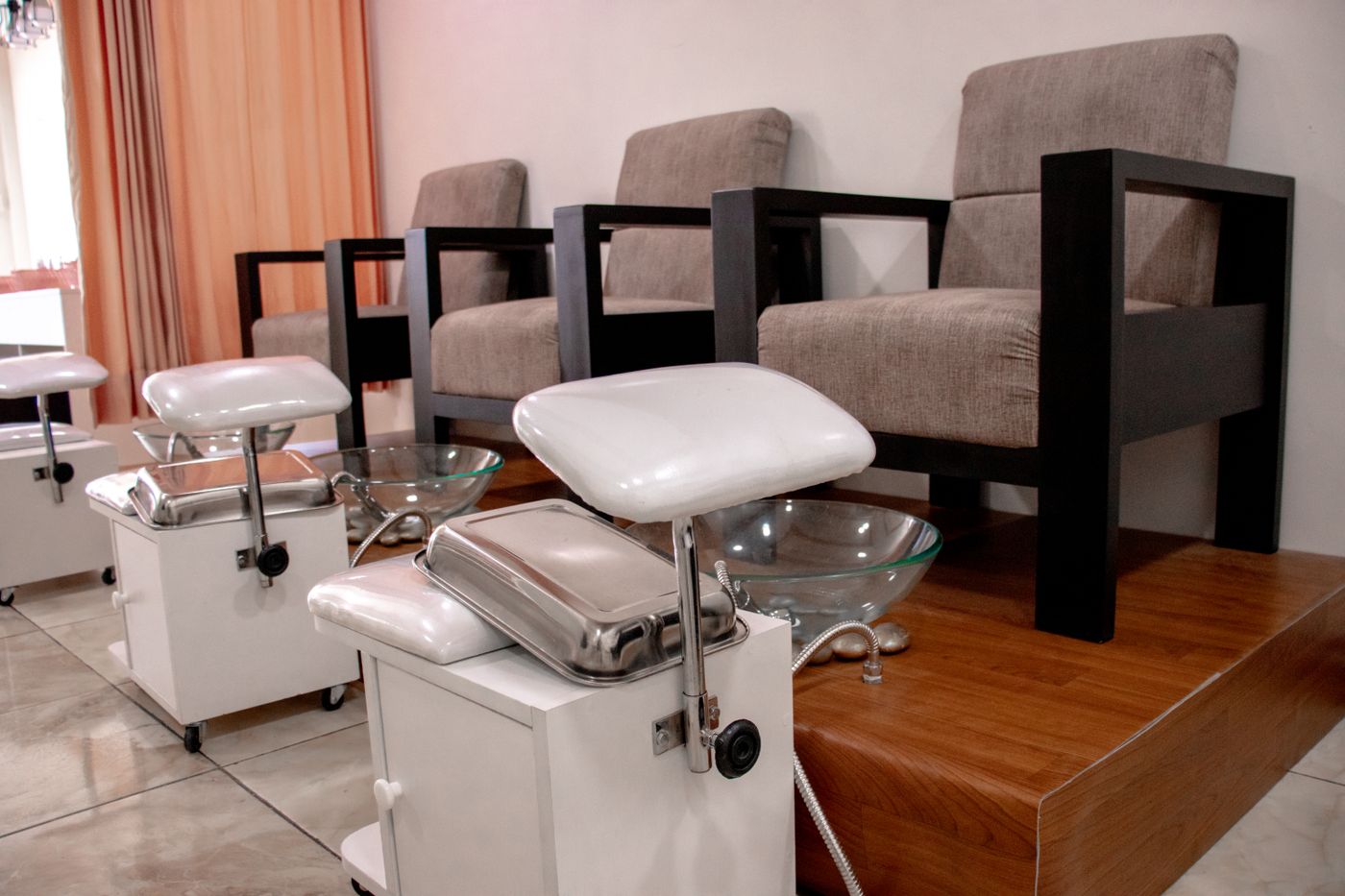
The main risk is not always visible
Clean-looking water does not prove a clean system
Circulating and whirlpool units can hold residue behind removable screens and inside recirculation pathways. Microorganisms may remain even when the visible basin appears clear.
The correct sequence is always to remove debris and clean first, then apply an appropriate disinfectant for the full label contact time. Disinfection cannot replace physical cleaning.
Know the equipment
A foot spa is more than the visible bowl
The manufacturer’s instructions determine which parts can be removed, how the unit circulates liquid and how cleaning products are used without damaging the equipment.
Before feet enter the basin
Complete a five-point client and equipment check
Inspect the skin and nails
Do not soak feet with open cuts, draining sores, active infection, severe inflammation or unexplained lesions.
Ask about recent shaving
Shaving can create tiny cuts. Avoid lower-leg shaving for at least 24 hours before a pedicure.
Confirm the previous cycle was completed
The basin should have a documented between-client cleaning and disinfection process.
Check removable parts are fitted correctly
Screens, filters and covers should not be missing, loose or visibly dirty.
Use fresh water and clean supplies
Never reuse standing water, towels, toe separators or single-use items between clients.
After every client
The complete between-client basin reset
EPA guidance begins with draining and physical cleaning before disinfectant is applied.
Drain
Empty all water from the basin
Remove visible hair, skin, nail clippings and other debris.
Clean
Wash surfaces with soap or detergent
Scrub the basin walls, floor, waterline, drain and accessible equipment surfaces.
Rinse
Remove detergent and loosened residue
Use clean water, then drain the basin completely.
Disinfect
Apply an approved hospital disinfectant
Use the correct dilution and ensure all required surfaces or internal pathways are reached.
Time
Keep surfaces wet for the full label time
EPA notes that this is often 10 minutes, unless the product label states a different approved time.
Finish
Drain, rinse when required and dry
Follow the disinfectant label and equipment instructions before the next client.
The wet-contact rule
Disinfectant must remain wet long enough to work
Filling, spraying and immediately draining the basin does not complete a procedure that requires several minutes of wet contact. The surface and any required internal pathway must remain wet for the full time listed on the product label.
Do not guess the dilution or contact time. Different products may have different instructions, organism claims and compatibility limits.
Disposable liners
A liner does not automatically clean the equipment underneath
A correctly fitted single-use liner can reduce direct contact with the visible bowl, but it may not protect drains, jets, screens, pipes or areas exposed during filling and removal.
Follow the foot-spa and liner manufacturers’ instructions. Remove and discard the liner after one client, then clean and disinfect all equipment areas that still require processing.
Inspect for punctures and correct fit
Prevent overflow beneath the liner
Remove without splashing or contaminating surfaces
Process the basin areas required by the instructions
At the end of every working day
The nightly deep-clean route
EPA recommends disinfecting foot spas between customers and completing a nightly procedure. Follow the current equipment, disinfectant and local regulatory instructions.
Remove accessible screens or removable parts
Follow the manufacturer’s method to avoid equipment damage.
Clean behind and around hidden surfaces
Remove all visible residue from the screen, filter area, basin and accessible internal parts.
Rinse and reassemble as instructed
Ensure parts are correctly positioned before the disinfectant circulation stage.
Circulate the correct disinfectant solution
Fill to the required level and run the system so internal pathways receive contact.
Maintain the full label exposure
Do not shorten contact time to finish closing procedures faster.
Drain, rinse where required and dry
Leave the system in the condition specified for overnight storage.
Scheduled maintenance
Some parts need more than the nightly routine
Filters, screens, pipes and removable parts
Use the service interval and replacement procedure specified for the model.
Check slow flow, odour or retained water
Standing water or poor drainage can indicate a maintenance problem.
Inspect cracks, corrosion and damaged seals
Rough or damaged surfaces can become difficult to clean effectively.
Document repairs and part replacement
Keep equipment maintenance separate from daily cleaning logs.
Read the disinfectant label
Five details control the result
Suitable for hard, non-porous salon surfaces or foot-spa equipment
The exact concentrate-to-water ratio
The full period the treated area must remain wet
Safe for the basin, seals, plastics, metal and internal system
Required gloves, ventilation, storage and first-aid information
The foot-spa audit
Shortcuts that leave the system unsafe
Adding disinfectant to dirty water
Visible debris and organic material remain in the system.
Wiping only the visible bowl
Screens, jets and recirculation pathways are ignored.
Using the wrong dilution
Too little may be ineffective; too much may damage equipment or increase chemical exposure.
Shortening contact time
The disinfectant is drained before the label requirement is complete.
Ignoring removable screens
Residue can build up behind parts that are not inspected.
Skipping the maintenance log
There is no reliable proof of when or how the previous procedure was completed.
When ordinary soaking may not be appropriate
Some clients need modification, postponement or medical guidance
Diabetes, reduced sensation, poor circulation, immune suppression, recent foot surgery and active skin or nail disease may increase the consequence of a small injury or infection.
Discuss safe foot-care guidance beforehand
Heat, pressure and small injuries may not be felt
Healing after a cut may be slower
Do not place infected skin or nails into a shared basin
Visible accountability
A simple basin-processing record
What a client should be able to observe
Foot-spa hygiene should be explainable
The basin should be empty and visibly clean before filling. A technician should be able to explain how it is cleaned, how often hidden parts are removed and which disinfectant contact time is followed.
Used towels and tools should remain away from the clean station, single-use items should be new and the salon should postpone soaking when the client has broken or infected skin.
After a pedicure
Do not ignore worsening skin changes
Spreading or increasingly warm skin
New puffiness around toes, nails or lower legs
Increasing tenderness instead of improvement
Pus, fluid, crusting or a non-healing sore
New lesions appearing after the service
Systemic symptoms require prompt assessment
Professional assessment
When medical care is appropriate
Seek medical assessment for spreading redness, increasing swelling, pus, severe pain, fever, persistent bumps or sores, or symptoms that develop after a foot-spa service and continue to worsen.
People with diabetes, poor circulation, reduced sensation or immune suppression should seek advice promptly when a foot injury or infection is suspected.