Dr John’s Skincare Science
Moisturiser for Acne-Prone Skin
Acne-prone skin can be oily and dehydrated at the same time. The right moisturiser supports the skin barrier, improves comfort and may make acne treatment easier to continue—without needing to feel heavy or greasy.
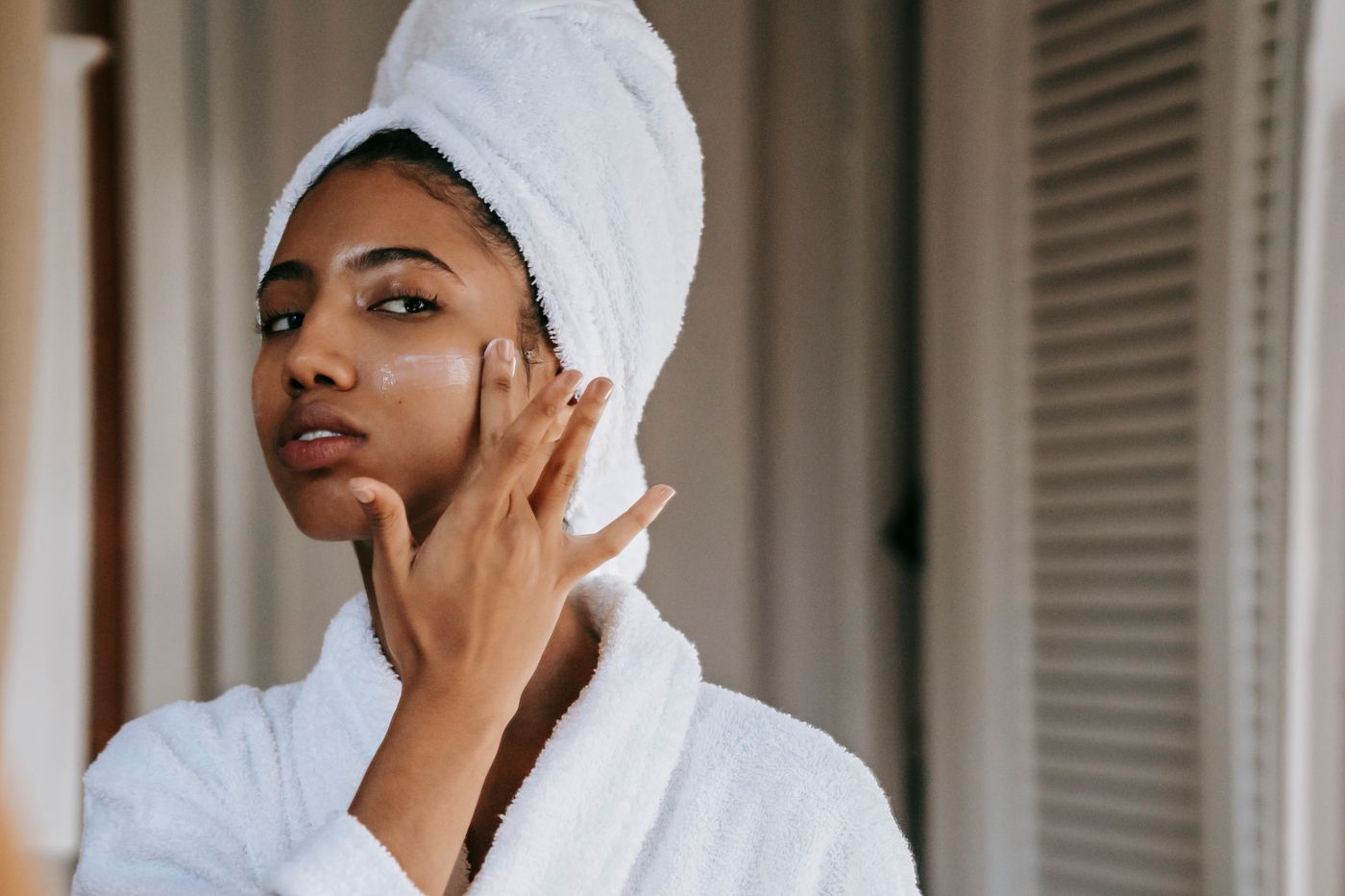
Why moisturising still matters
Oil does not always mean the skin has enough water
Sebum is the skin’s natural oil. Hydration refers to water within the outer skin layer. A face can therefore look shiny while still feeling tight, rough, sensitive or uncomfortable.
Acne treatments such as benzoyl peroxide, salicylic acid and topical retinoids may cause dryness or peeling. When the barrier becomes irritated, treatment can feel harder to tolerate and people may stop using it before it has enough time to work.
Read the skin, not only the shine
Signs your routine may be too drying
Tightness after cleansing
The face feels stretched or uncomfortable soon after washing.
Persistent peeling
Dry flakes collect around the nose, mouth, cheeks or active blemishes.
Stinging from simple products
Even gentle cleanser, moisturiser or sunscreen begins to burn.
More irritation and dark marks
Inflammation may increase the risk of visible post-acne pigmentation.
Choosing the right formula
Look for comfort, compatibility and a finish you will use
The best moisturiser is not automatically the lightest product on the shelf. It should reduce dryness without repeatedly clogging pores, irritating the skin or making the routine unpleasant.
- Non-comedogenic: formulated to reduce the likelihood of blocking pores.
- Oil-free: useful for people who prefer a lighter finish, though not essential for everyone.
- Fragrance-free: often easier for sensitive or treatment-irritated skin to tolerate.
- Comfortable texture: gel, lotion or cream depending on dryness and climate.
Texture matters
Gel, lotion or cream?
Choose according to how the skin feels, not only how much oil is visible.
Often suits: very oily skin, humid weather and people who dislike residue.
Watch for: alcohol-heavy formulas that leave the skin tight or sting.
Often suits: combination skin, mild dryness and everyday daytime use.
Watch for: a formula that feels too light when acne treatment causes peeling.
Often suits: dry, irritated or treatment-sensitive skin needing stronger support.
Watch for: very rich formulas that feel uncomfortable or appear to worsen congestion.
What the formula can do
Three ingredient roles worth understanding
Bring water into the surface
Humectants such as glycerin and hyaluronic acid help the outer skin layer hold water.
Support the barrier
Ceramides and similar lipids help reinforce the protective structure of the skin.
Reduce moisture loss
Dimethicone and other protective ingredients help slow water escaping from the surface.
Place it correctly
Where moisturiser fits into the routine
Morning
-
1
Gentle cleanse
Remove overnight oil without scrubbing or using harsh astringents.
-
2
Acne treatment
Apply according to the treatment directions and your tolerance.
-
3
Moisturiser
Use enough to relieve tightness without creating a thick, uncomfortable layer.
-
4
Broad-spectrum sunscreen
Finish with SPF 30 or higher to protect the skin and post-acne marks.
Evening
-
1
Remove makeup and sunscreen
Cleanse thoroughly but gently, without repeated washing.
-
2
Apply the evening treatment
Follow instructions for benzoyl peroxide, retinoids or prescribed medication.
-
3
Moisturise
Apply after treatment or use a buffering method only when advised.
-
4
Leave the skin alone
Avoid squeezing blemishes or adding extra exfoliating products before bed.
When acne treatment feels drying
Adjust carefully instead of abandoning the plan
Benzoyl peroxide
Dryness and peeling may improve by reducing frequency while the skin adjusts, according to product or medical guidance.
Salicylic acid
Using several exfoliating products together can increase irritation without improving results.
Topical retinoids
A small amount, gradual introduction and regular moisturising may improve tolerance.
Isotretinoin
Marked dryness is common and requires a simple, supportive routine guided by the prescribing clinician.
Common misunderstandings
What acne-prone skin does not need
Moisturiser always causes breakouts
A poorly matched product may feel unsuitable, but acne-prone skin can still benefit from an appropriate non-comedogenic moisturiser.
Dryness proves the acne treatment is working
Severe dryness is not the goal. Too much irritation can make a routine difficult to continue.
Oily skin should be stripped completely
Harsh cleansing and alcohol-based products can irritate the barrier and may make the skin feel worse.
More product gives faster hydration
A moderate, even layer used consistently is usually more useful than a very thick application.
Introduce products methodically
Give the skin a fair test
Add one new moisturiser at a time. Use it consistently for several days while watching for persistent burning, itching, swelling or a clear increase in clogged pores.
A product may need to be changed if it remains uncomfortable, creates a rash or repeatedly seems to worsen breakouts. Mild acne treatment dryness is different from a true allergic reaction or severe irritation.
- Significant swelling
- Hives or spreading rash
- Severe burning
- Blistering or weeping skin
Professional assessment
When moisturiser is not the whole answer
Seek professional care when acne is deep, painful, scarring or not improving with consistent treatment. A moisturiser can improve tolerance, but it cannot replace appropriate acne medication.
Review is also important when the skin remains very dry, inflamed or painful despite simplifying the routine, or when eczema, dermatitis or an allergic reaction may be present.