Wellness Rituals · Rembeka Journal
Massage for Stress and Tension
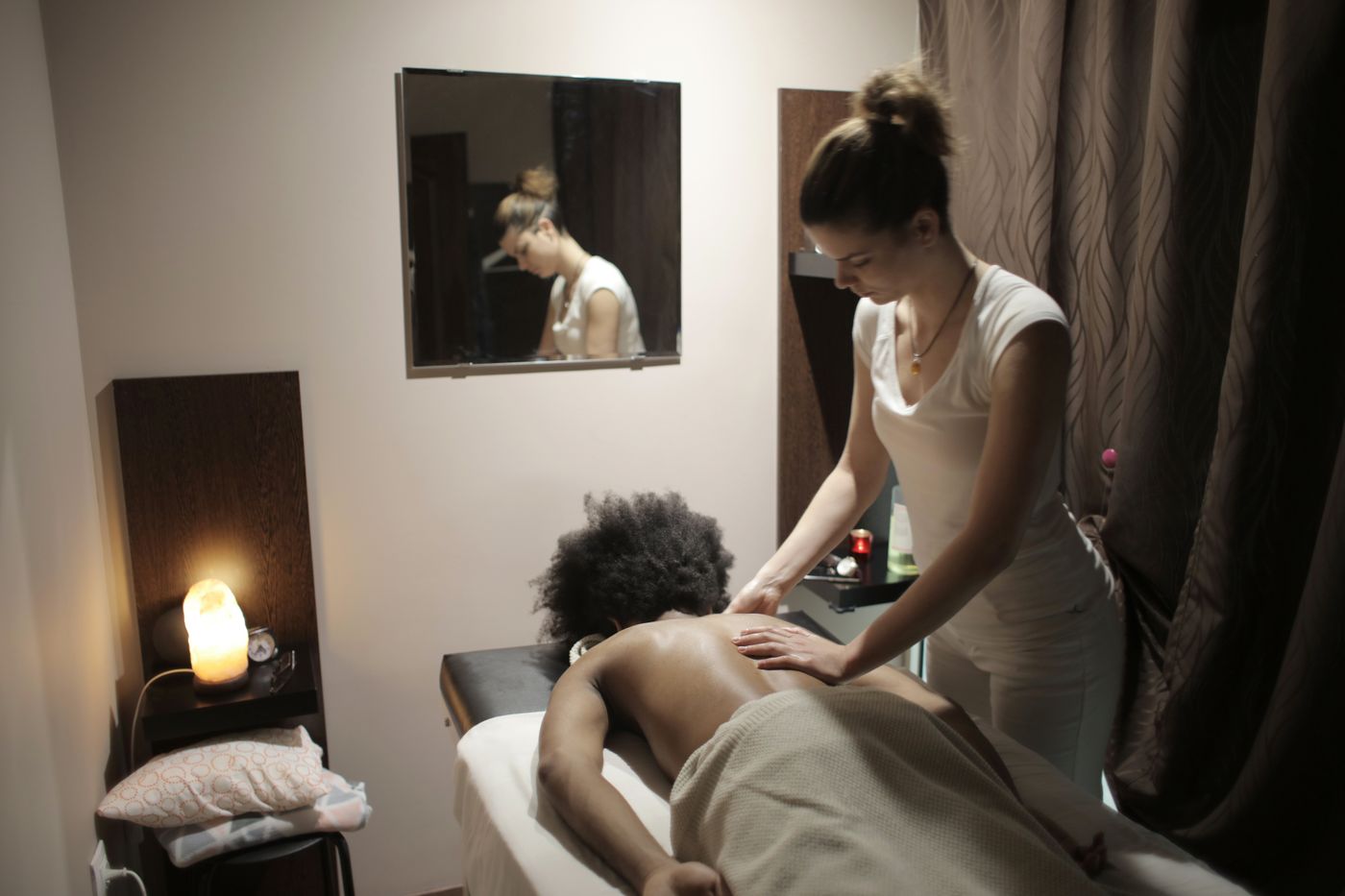
Professional massage uses pressure, movement and touch to work with muscles and other soft tissues. It can support relaxation, ease temporary muscle tightness and provide short-term symptom relief for some people, but it is not a cure for every pain, stress condition or medical problem.
Start with the correct expectation
Massage can support wellbeing without replacing healthcare
Cleveland Clinic describes massage as the use of different pressures, movements and techniques to manipulate muscles and other soft tissues. Common goals include relaxation, easing muscle tension and supporting symptom management.
Research varies by condition. NCCIH notes that some findings are promising, while evidence for several pain conditions remains preliminary, mixed or low in certainty. Benefits are often short term and should be viewed as part of a wider care plan.
Where daily tension often gathers
A practical body-area map
Stress, long sitting, repetitive work, travel and poor recovery can leave several areas feeling tight at once. The location of discomfort helps guide the session, but it does not identify the medical cause.
Jaw and temples
Clenching and stress may contribute to facial or temple tension.
Neck
Desk posture, screens and stress can create a persistent feeling of stiffness.
Shoulders
Upper trapezius muscles commonly feel tight after prolonged sitting or carrying.
Upper and lower back
Muscle fatigue and guarding may create aching or restricted movement.
Hips and legs
Travel, training and long periods in one position can contribute to tightness.
A balanced view
What massage may help—and what it cannot promise
Relaxation
A calm setting and rhythmic touch may help some people feel less physically wound up.
Temporary tension relief
Working with tight soft tissue may reduce the immediate feeling of stiffness.
Short-term pain relief
Some conditions may respond, although the strength and duration of evidence vary.
Body awareness
A session may help a client notice posture, breathing and areas that repeatedly tighten.
Diagnose pain
A therapist cannot confirm the cause of unexplained pain through touch alone.
Replace treatment
Infection, fracture, nerve compression, blood clots and serious illness need medical care.
Guarantee detoxification
Claims that massage removes unspecified toxins are not a substitute for evidence-based explanation.
Fix chronic stress by itself
Long-term stress may also need sleep, exercise, boundaries, counselling or medical support.
Pressure is not a test of endurance
The most pressure is not automatically the best pressure
A useful session applies enough pressure to meet the goal without creating sharp, burning, electrical or intolerable pain. Pressure should be adjusted throughout the treatment.
Light
Calming, broad contact and gentle relaxation-focused work.
Moderate
Clear pressure without bracing, breath-holding or significant pain.
Firm
Targeted work that remains controlled and acceptable to the client.
Sharp or alarming pain
Speak up immediately when pressure causes burning, numbness or shooting pain.
Before the session begins
Share information that changes how massage should be performed
Location, duration and severity
Explain whether the discomfort is new, worsening, linked to an injury or accompanied by numbness.
Relevant conditions and recent procedures
Discuss recent surgery, fractures, blood clots, cancer treatment, heart conditions and other concerns.
Especially blood-thinning treatment
Some medicines can increase bruising or change which techniques are appropriate.
Rashes, wounds, infections or recent burns
Affected areas may need to be avoided or the session postponed.
Stage, comfort and healthcare advice
Positioning and technique may need modification by a suitably trained professional.
Pressure, areas to avoid and boundaries
Consent is specific and can be changed at any point during the treatment.
The session pathway
From assessment to recovery
Consult
Clarify goals, symptoms and boundaries
The therapist should know the main concern, health history and areas that are off limits.
Position
Support the body comfortably
Pillows, bolsters and draping help reduce strain and protect privacy.
Begin
Start with manageable pressure
The first minutes help establish how the tissues and client respond.
Adjust
Change pressure and focus as needed
Communication should continue rather than assuming silence means comfort.
Finish
Allow a gradual transition
After the session, sit up slowly and check for dizziness or unexpected discomfort.
Review
Discuss response and next steps
Persistent or unusual symptoms may require medical assessment rather than repeat massage.
Speak during the session
Useful feedback is part of professional massage
A client does not need to tolerate discomfort to be polite. A trained professional should welcome clear, immediate feedback.
01“Please reduce the pressure in that area.”
02“That feels sharp rather than comfortably firm.”
03“Please avoid this part of my body.”
04“I feel numbness, tingling or pain travelling down my limb.”
05“I would like to stop the session now.”
Pause before booking
Massage may need postponement or medical approval
Allow the body to recover and avoid exposing others
Do not massage over broken or infected skin
Urgent medical assessment is needed, not massage
Follow the treating clinician’s guidance
Find the cause before applying pressure
Discuss modifications with the healthcare team
Massage works best inside a wider routine
A four-part stress-support plan
Massage or gentle self-care
Use it for relaxation and temporary relief rather than as the only coping method.
Regular walking, mobility and strength
Consistent activity can help reduce stiffness associated with inactivity.
Sleep, meals and rest breaks
Muscles and the nervous system need regular recovery, not only occasional treatments.
Breathing, boundaries and professional support
Persistent stress may need counselling, medical care or changes to daily demands.
The recovery window
After massage, return to activity gradually
Some people feel relaxed immediately; others notice mild temporary tenderness, especially after unfamiliar or firm work. Significant or worsening pain is not an expected wellness outcome.
Sit up slowly and notice how you feel
Report dizziness, weakness, nausea or unusual pain.
Choose comfortable movement
Gentle walking or mobility may feel better than intense training immediately afterward.
Drink according to normal needs
Massage does not require extreme water intake or “detox” routines.
Review whether symptoms improved
Persistent worsening suggests the need to reassess the plan.
How the body responds
Mild tenderness is different from a warning sign
Mild short-lived tenderness
It should steadily settle rather than intensify.
A relaxed or sleepy feeling
Allow time before driving or returning to demanding activity if needed.
Severe or increasing pain
Especially when it is new, sharp or limits normal movement.
Numbness, weakness or shooting pain
These symptoms can indicate nerve involvement and need assessment.
Massage or medical assessment?
Do not massage through unexplained warning signs
Chest pain, breathing difficulty or sudden weakness
Seek urgent medical care.
One-sided leg swelling, warmth or redness
A possible blood clot should never be massaged.
New pain after injury or a fall
Fracture or tissue injury may need examination.
Pain with fever, unexplained weight loss or night symptoms
These features require assessment rather than repeated wellness treatment.
Persistent pain that keeps returning
Massage may ease symptoms temporarily without addressing the cause.
A professional massage environment
Comfort includes hygiene, privacy and consent
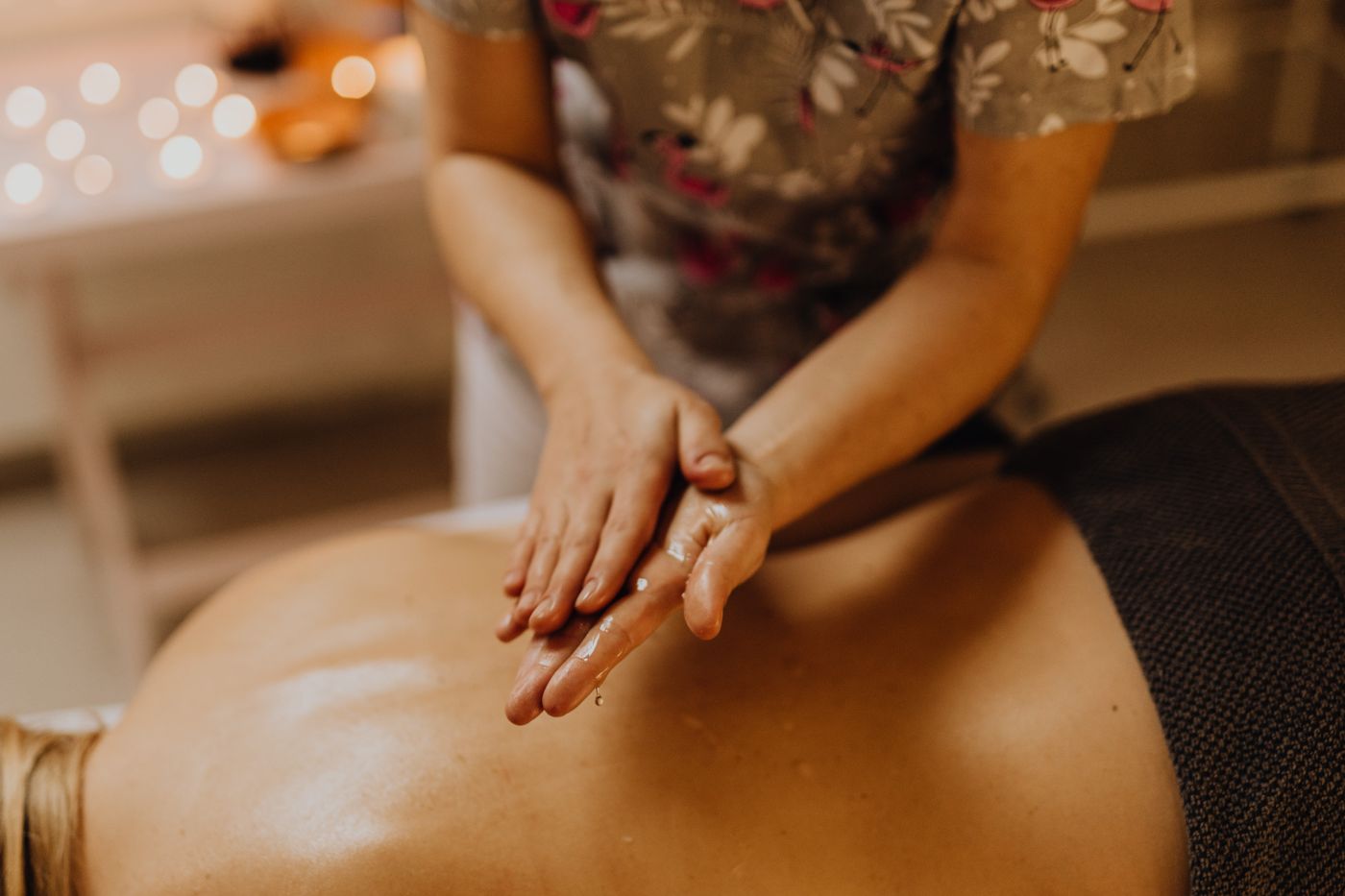
Linens, face cradles and reusable equipment should be changed, cleaned or processed between clients. Oils and creams should be dispensed without contaminating the shared container.
Draping should protect privacy, only agreed areas should be treated and the client should be able to pause or stop the session at any time.