Body Wellness · Rembeka Journal
Therapeutic Massage Explained
Understand how therapeutic massage differs from a relaxation treatment and which concerns it may help address.
01 · Definition
More focused than a general relaxation massage
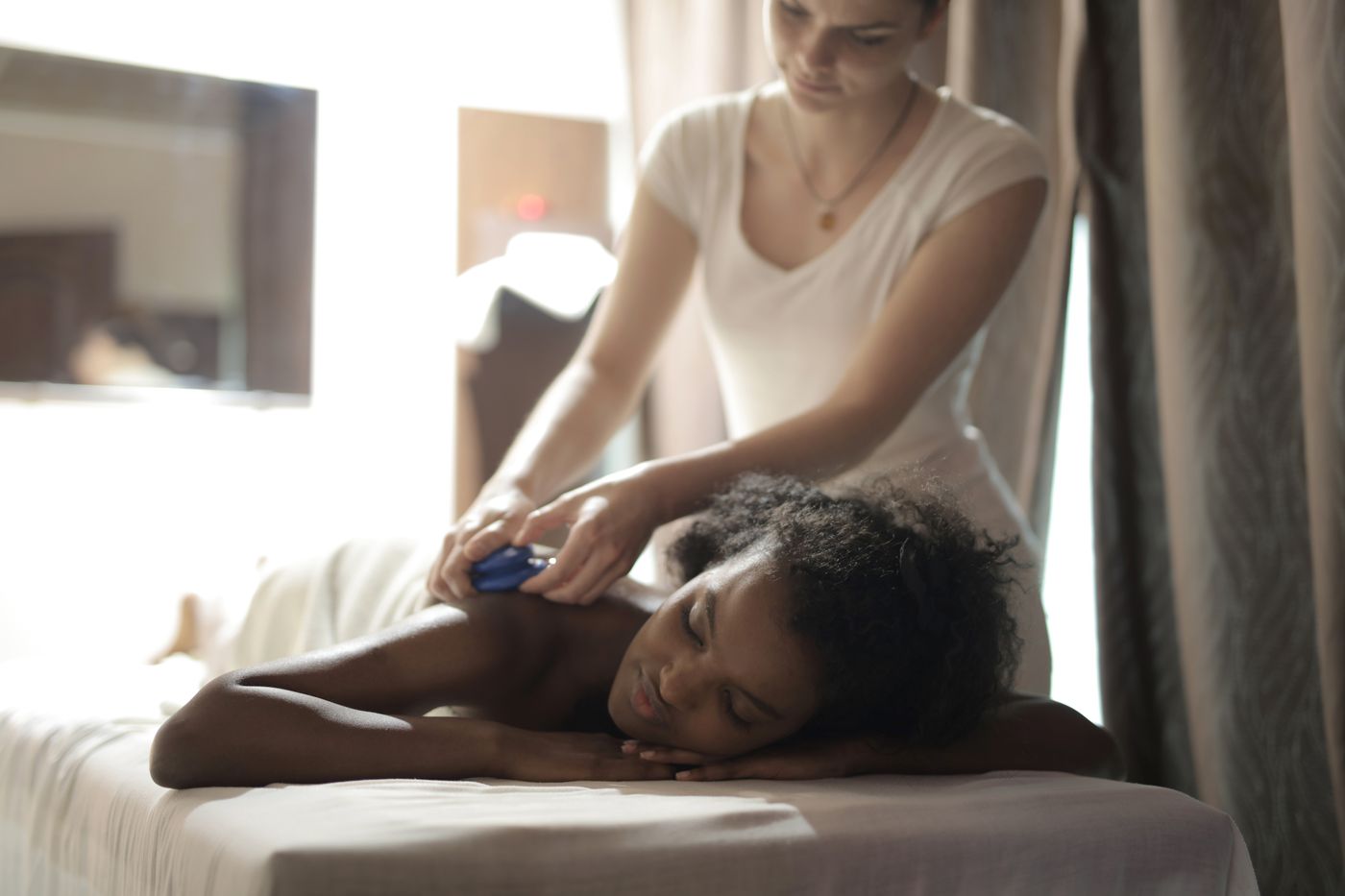
Therapeutic massage is a planned, goal-directed treatment of soft tissue. The therapist may work with muscles, fascia, tendons and ligaments using pressure, movement, stretching and other manual techniques chosen for a specific concern.
Cleveland Clinic describes therapeutic massage, sometimes called medical massage, as focused work performed by trained professionals who identify and concentrate on problem areas. It may take place in a clinical, rehabilitation or wellness setting.
The treatment can still feel calming, but relaxation is not its only purpose. A session may target a stiff shoulder, repetitive strain, muscular guarding, recovery after an approved stage of healing or another clearly defined soft-tissue goal.
02 · The distinction
Therapeutic and relaxation massage can overlap—but their priorities differ
General calm, comfort and temporary reduction of everyday tension.
A defined physical goal, symptom or functional limitation.
Usually a brief discussion of comfort, pressure and areas to avoid.
More detailed discussion of symptoms, history, movement and treatment priorities.
Often a broad or full-body sequence.
May spend most of the session on one region or connected tissue pattern.
Usually flowing strokes and general kneading.
May combine deep-tissue, myofascial, trigger-point, Swedish and stretching methods.
Usually based on comfort and relaxation.
May also consider movement, tenderness, function and change in the target symptom.
03 · The method
Four elements turn massage into a treatment plan
A defined concern
The session begins with something specific: limited shoulder movement, muscular tightness after repetitive work, an approved rehabilitation goal or pain already assessed by an appropriate healthcare professional.
A reasoned technique choice
The therapist selects pressure, pace, direction and movement because they fit the goal—not because the treatment must follow one fixed massage style.
Continuous communication
Tenderness and pressure are monitored throughout. Sharp, burning, electrical or intolerable pain is a signal to stop or change the technique.
A response that can be reassessed
The therapist and client consider whether the target area feels different, whether movement changed and whether the treatment should be repeated, modified or referred onward.
04 · Treatment planning
Concerns therapeutic massage may be used to support
Suitability depends on the cause, stage of healing and the person’s wider health. Massage should not be used to diagnose an unexplained symptom.
Desk-related neck and shoulder tension
Reduce temporary muscular guarding and support more comfortable movement.
Recurring pain may also require posture, exercise, vision or ergonomic assessment.
Repetitive muscular strain
Work with overused tissue and identify areas that repeatedly tighten.
Active inflammation, weakness or severe pain may need medical or rehabilitation care.
Restricted-feeling shoulder movement
Use gentle soft-tissue work and approved movement to support range of motion.
Sudden loss of movement, trauma or significant weakness should be assessed first.
Muscle soreness during recovery
Support comfort after the acute injury phase has passed and care has been approved.
Massage should not be applied over a suspected tear, fracture or fresh injury.
Persistent soft-tissue discomfort
Provide short-term symptom management as part of a broader care plan.
Massage may ease symptoms without treating the underlying cause.
05 · The appointment
A therapeutic session follows a continuous clinical logic
There is no single routine. The sequence changes according to the client’s needs, the therapist’s scope of practice and the response during treatment.
Clarify
Define the concern
Where is it, how long has it been present and what makes it better or worse?
Screen
Identify precautions
Discuss medicines, injuries, surgery, pregnancy, skin changes and medical conditions.
Plan
Agree on the treatment area
Confirm pressure preference, positioning, boundaries and what the session will prioritise.
Treat
Apply and adapt techniques
Pressure and movement change according to tissue response and client feedback.
Reassess
Review comfort and function
Notice changes in movement, pain, tenderness and the client’s overall response.
Decide
Repeat, modify or refer
The next step may be another session, a different plan or assessment by another professional.

06 · Technique selection
The treatment may combine several approaches
Broad, flowing strokes can warm tissue, introduce pressure and reduce general guarding.
Slower, more focused pressure may be used where deeper-feeling tension is appropriate to address.
Sustained pressure and gentle movement may focus on fascial restriction and mobility.
Direct pressure may be applied to small tender areas that contribute to a wider pain pattern.
Passive or assisted movement may be included when it fits the client’s condition and comfort.
07 · Evidence
Useful support does not mean guaranteed cure
Clinical organisations use massage as an integrative or complementary treatment for some pain, stress and recovery needs. Cleveland Clinic describes potential goals such as easing discomfort, supporting movement and complementing other treatment.
At the same time, NCCIH notes that the quality and consistency of massage research vary by condition. Some benefits may be short lived, and evidence for several pain problems remains limited or uncertain.
The most trustworthy promise is therefore modest: therapeutic massage may support comfort and function for a suitable client, but it cannot guarantee healing or replace investigation of a medical problem.
08 · Safety screen
Health information can change the treatment—or postpone it
Firm work may increase bruising and bleeding risk.
The affected area must not be massaged; urgent medical guidance may be required.
Pressure and positioning need careful modification.
Timing and technique should follow the treating healthcare team’s advice.
Do not massage over damaged or infected skin.
Choose a suitably trained practitioner and discuss medical guidance beforehand.
09 · Communication
Therapeutic pressure should feel purposeful—not alarming
“Please reduce the pressure. That feels sharp rather than comfortably firm.”
Cleveland Clinic specifically advises clients to communicate when pressure feels too deep or uncomfortable. Numbness, tingling, burning, shooting pain, weakness, dizziness or nausea should not be silently tolerated.
10 · After the session
Judge the response over the next day—not only in the treatment room
Rise slowly
Pause if you feel light-headed, weak or unusually unwell.
Use comfortable movement
Gentle activity may feel better than immediately testing the area with intense exercise.
Compare the target symptom
Mild temporary tenderness should settle rather than become progressively worse.
Review the result
Change pressure, duration or technique when the response did not match the agreed goal.
11 · Medical assessment first
Some symptoms should not be managed by another massage
01Chest pain, breathing difficulty or sudden weakness.
02One-sided leg swelling, warmth, redness or tenderness.
03New numbness, loss of strength or pain travelling down a limb.
04Severe pain after a fall, collision or other injury.
05Fever, spreading redness, pus or signs of active infection.
06Persistent pain that repeatedly returns without a clear explanation.
12 · Professional standard
A good therapeutic session is specific, clean and consent-led
The therapist should explain the proposed approach, ask about relevant health information and stay within their professional scope. A massage therapist may identify patterns of tension, but should not claim to diagnose disease.
Clean linens, processed equipment, hygienic product dispensing, appropriate draping and respect for boundaries are part of the treatment—not optional extras.
NCCIH recommends asking about a practitioner’s training, experience and credentials and advises against using massage to postpone appropriate healthcare.