Dry Skin and Visible Ashiness
Dryness can appear more noticeable on darker skin because loose surface cells reflect light as a pale, grey or whitish cast. The answer is not aggressive scrubbing—it is restoring water, oil and barrier protection with a routine the skin can tolerate every day.

Understanding the appearance
Ashiness is a visible sign of surface dryness
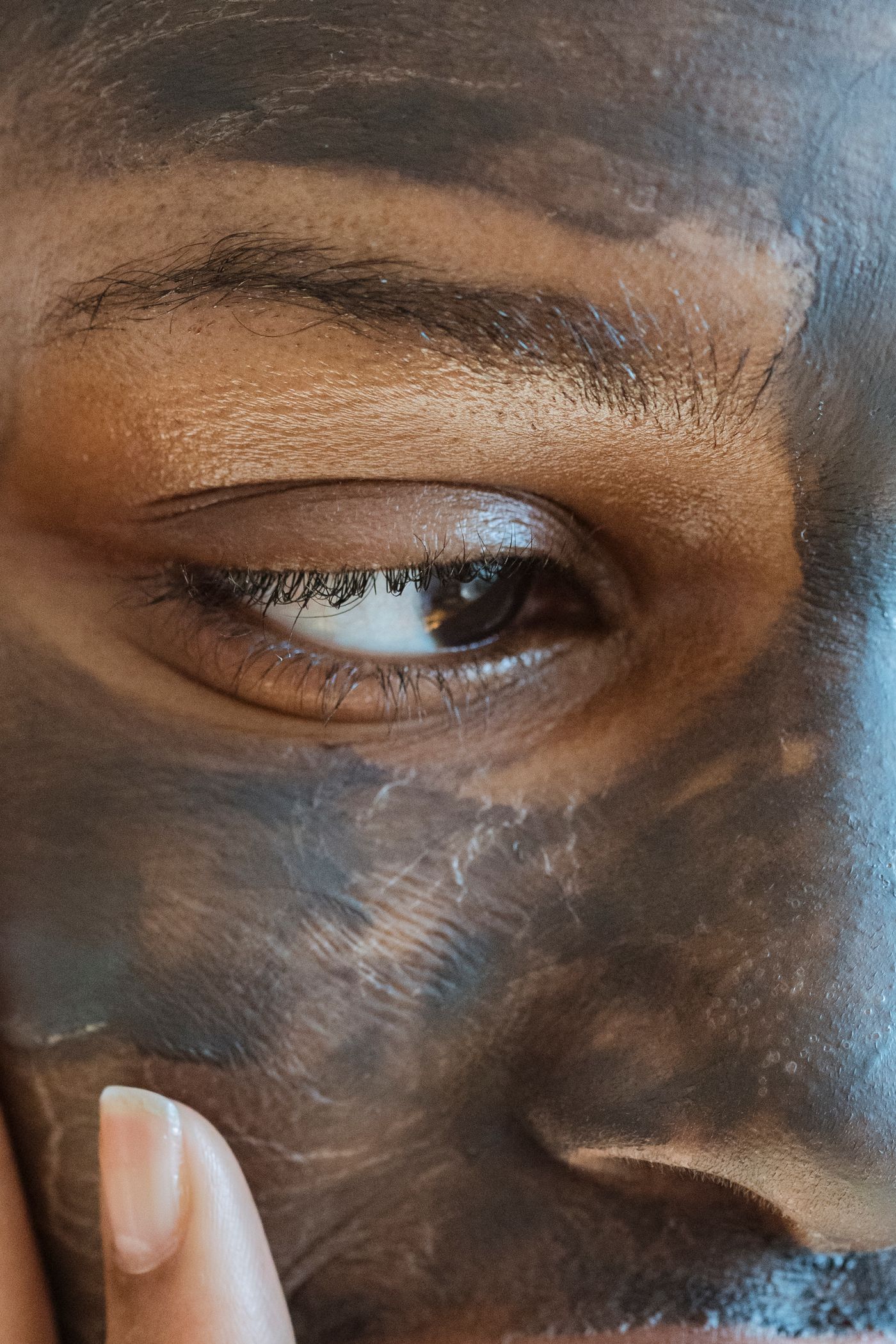
Healthy skin has a protective outer layer that slows water loss and helps defend against irritants. When this barrier becomes depleted, the outermost cells can lift, separate and scatter light. On richly pigmented skin, that pale surface contrast is often described as ashiness.
Ashiness is not dirt, poor hygiene or a reason to scrub harder. In fact, rough exfoliation, harsh soaps and very hot water can remove more protective lipids and make the appearance return more quickly.
The goal is not to polish dryness away. The goal is to rebuild the conditions that allow the skin to hold moisture.
Why dryness develops
Look beyond the moisturiser jar
The product matters, but so do bathing habits, weather, friction, treatment products and underlying skin conditions.
Long, hot showers
Heat and prolonged water exposure can strip protective surface oils, leaving skin tight soon after bathing.
Harsh or heavily fragranced cleansers
Strong detergents and irritating fragrance can worsen dryness, stinging and sensitivity.
Dry air and environmental exposure
Wind, air conditioning, cold conditions and low humidity can increase water loss from the skin.
Overuse of active treatments
Retinoids, exfoliating acids, acne treatments and bleaching products can cause dryness when introduced too quickly or combined carelessly.
Eczema or another skin condition
Persistent itching, rash, cracking, colour changes or recurring patches may need professional assessment rather than cosmetic moisturising alone.
The practical routine
Five steps that protect moisture
Consistency and timing usually matter more than using a large number of products.
Shorten the wash
Keep showers and baths brief and use warm rather than very hot water.
Clean selectively
Use a gentle, fragrance-free cleanser where needed instead of aggressively soaping every dry area.
Pat, do not rub
Leave the skin slightly damp after bathing rather than drying it completely.
Seal immediately
Apply cream or ointment while the skin is still damp to help reduce water loss.
Reapply where needed
Hands, elbows, knees, feet and other exposed areas may need extra moisturiser during the day.
Choosing a moisturiser
Match the texture to the level of dryness
Fragrance-free formulas are often easier for sensitive or irritated skin to tolerate. “Unscented” does not always mean fragrance-free, because masking fragrance may still be present.
Read the ingredient list
Three jobs a moisturiser can perform
Attract water
Humectants such as glycerin, hyaluronic acid and urea help draw water into the outer skin layer.
Replace barrier lipids
Ceramides and related lipids support the structure that helps the skin hold moisture more effectively.
Reduce water loss
Petrolatum, mineral oil, dimethicone and richer plant-derived oils can form a protective surface seal.
For the face
Protect without overloading
Use a gentle cleanser, reduce unnecessary exfoliation and choose a moisturiser that feels comfortable under sunscreen. Acne-prone skin can still be dehydrated or dry, so “oil-free” should not mean leaving the skin tight.
When an active ingredient causes persistent burning, marked peeling or worsening discolouration, pause and reassess the routine rather than adding another treatment.
For the body
Use richer protection where friction is high
Elbows, knees, ankles, hands and feet often need a thicker product than the face. Apply after bathing and again before bed when these areas remain rough.
Breathable clothing, less friction and fragrance-free laundry care may also help when dryness is repeatedly aggravated.
Common misunderstandings
What dry skin does—and does not—need
Ashiness means the skin is dirty
Visible flaking comes from surface dryness. Harsh cleansing usually makes it more noticeable.
The barrier needs consistent support
Gentle cleansing and timely moisturising address the cause more effectively than scrubbing.
Natural oil alone fixes every case
Oil can reduce water loss, but it may not add enough water or replace all missing barrier components.
Layering can be more effective
A cream on damp skin followed by a small amount of ointment on very dry areas may provide stronger support.
Do not ignore persistent symptoms
When dryness may be more than ordinary ashiness
Seek medical assessment when the skin is deeply cracked, bleeding, painful, swollen, oozing, intensely itchy or showing a spreading rash.
Professional review is also sensible when dryness continues despite consistent gentle care, repeatedly disturbs sleep or is accompanied by marked colour and texture changes.