Scalp Health · Modern Male Grooming
Dandruff That Keeps Returning
Dandruff often improves and then returns because the scalp condition behind it is usually controlled rather than permanently cured. A successful plan must do more than remove today’s flakes: it must use the right active ingredient, reach the scalp properly, follow the required contact time and continue with maintenance after the visible scale settles.
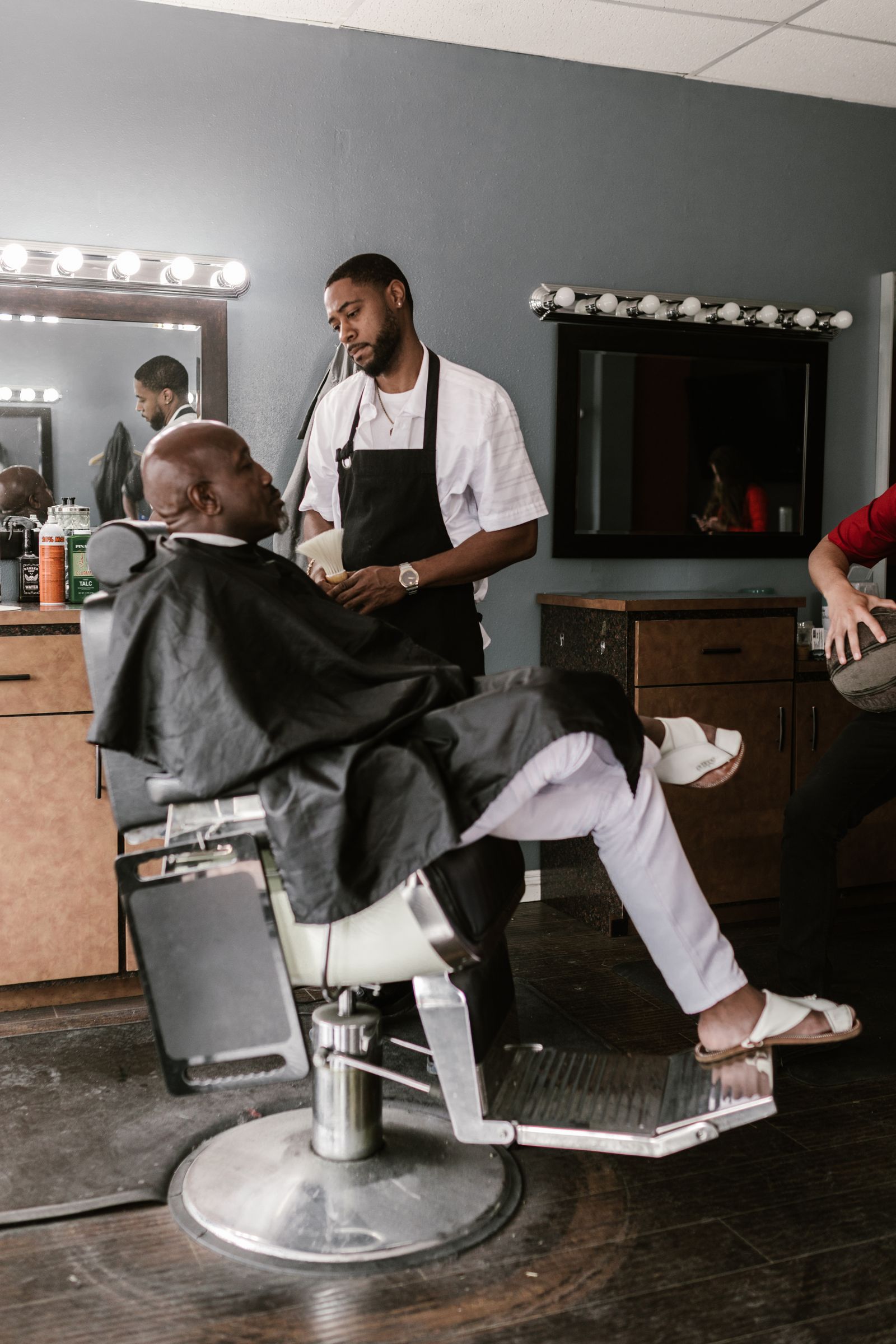
Maintenance is the missing stage in many dandruff routines.

Why it returns
Dandruff is often a relapsing scalp condition
Mild dandruff usually causes visible flakes and itching without obvious inflammation. A more inflamed form, seborrhoeic dermatitis, can produce greasy or dry-looking scale, itch and colour changes on the scalp and other oily areas.
Treatment can control these symptoms, but stopping as soon as the flakes disappear may allow them to return. The long-term goal is therefore control, comfort and fewer flares—not a promise that the scalp will never need treatment again.
The recurrence loop
Where the routine commonly breaks down
Flakes become visible
The scalp begins itching or shedding noticeable scale.
Treatment begins
A medicated shampoo is used for several washes.
Symptoms improve
Flaking reduces and the scalp feels more comfortable.
Treatment stops completely
No maintenance routine is continued after improvement.
The flare returns
The same scalp pattern gradually becomes visible again.
Read the scalp before treating it
Not every flake means the same thing
The appearance, location and level of inflammation help determine whether routine dandruff care is appropriate.
Often follows harsh shampoo, hot water, dry weather or over-washing.
Usually affects the scalp without marked inflammation.
May also affect the eyebrows, ears, beard area and sides of the nose.
May form plaques and extend beyond the hairline.
Hair dye, fragrance, oils or preservatives may trigger a reaction.
Requires professional diagnosis and prescription treatment.
Choose the active ingredient deliberately
The anti-dandruff ingredient index
Different shampoos work in different ways. Follow the product label and seek professional advice when the diagnosis is uncertain.
Antifungal action against yeast associated with dandruff and seborrhoeic dermatitis.
Often used in an initial treatment phase followed by less frequent maintenance.
Reduces yeast activity and slows excessive surface-cell shedding.
Rinse thoroughly and follow instructions carefully, especially on coloured or treated hair.
Helps reduce dandruff-associated yeast, scale and itching.
Availability differs by country and product formulation.
Helps loosen and remove adherent scale from the scalp.
Can feel drying and may need to be balanced with appropriate conditioning.
Slows rapid skin-cell turnover and can reduce scaling.
May affect colour-treated hair, increase sun sensitivity or have a strong odour.
Supports scale removal and may reduce scalp microorganisms.
Can be drying or irritating for some scalps.
Application technique
The shampoo must reach the scalp and stay long enough
Washing the hair surface alone does not treat scalp scale. Part the hair, place the medicated shampoo directly on the scalp and use it for the contact time stated on the label or by a clinician.
Wet fully
Saturate the scalp and hair with lukewarm water.
Part the hair
Create sections so the product reaches the skin beneath.
Massage gently
Use fingertips, not nails, to spread the shampoo.
Observe contact time
Leave the product on for the period stated on the label.
Rinse completely
Residual shampoo can irritate the scalp.
Condition the lengths
Protect dry hair while keeping heavy residue away from the scalp.
A structured trial
Four weeks to judge the routine properly
Frequency varies by product. This calendar shows the logic of a consistent trial, not a universal prescription. Follow the exact shampoo label or professional directions.
Establish technique
Use the treatment consistently, reach the scalp and follow contact time.
Record itch, scale, redness and irritation.Look for early response
Scale and itch may begin reducing when the product and technique are appropriate.
Do not add several new scalp products at once.Continue the full course
Improvement does not automatically mean treatment should stop immediately.
Watch for dryness, burning or worsening rash.Review the result
Decide whether the treatment worked, needs maintenance or needs professional review.
No improvement after a consistent trial warrants reassessment.The missing bridge
Move from treatment to maintenance
Follow the label frequency until symptoms improve.
Do not stop a maintenance-sensitive routine abruptly.
Some products are continued weekly or every one to two weeks.
Return to the treatment schedule or seek advice if the pattern changes.
For coily, curly and textured hair
Treat the scalp without unnecessarily drying the hair
Some anti-dandruff shampoos can leave textured hair dry. Apply the medicated product mainly to the scalp, then use regular shampoo or conditioner on the hair lengths as appropriate.
Washing frequency should reflect both the scalp condition and the needs of the hair. A clinician can help adjust frequency when dryness, breakage or protective styling makes treatment difficult.
Place treatment where the scale and inflammation occur.
Avoid repeatedly stripping already dry strands.
Use conditioner through the lengths and ends.
Keep thick oils and pomades from coating an active flare.
The flare audit
What may be keeping the scalp unsettled
Stopping too early
Symptoms improve, but no maintenance routine follows.
Wrong active ingredient
The product may not match the scalp condition.
Short contact time
The shampoo is rinsed before it can act.
Product misses the scalp
Long or dense hair prevents direct application.
Heavy scalp oils
Residue can trap scale and make assessment harder.
Harsh scratching
Nails break the surface and increase inflammation.
Stress and weather
Flares may become more noticeable during stress or cold dry periods.
Another diagnosis
Psoriasis, eczema, contact allergy or infection may be present.
Do not keep rotating shampoos blindly
Signs that need a different diagnosis
Possible scalp psoriasis
Scale may be more defined, thicker and extend beyond the hairline.
Possible scalp ringworm
Patchy hair loss, tenderness or swelling requires prescription care.
Possible product allergy
Hair dye, fragrance or another product may have triggered contact dermatitis.
Possible inflammatory hair loss
Early professional assessment matters when permanent hair loss is possible.
Professional assessment
When recurring dandruff should be reviewed
Seek professional assessment when the scalp is painful, swollen, bleeding, producing pus, losing hair in patches or showing a spreading rash.
Review is also appropriate when a consistent month-long dandruff-shampoo trial has not helped, when products cause significant irritation or when the diagnosis remains uncertain.