Treatment Guidance
Treatment Guidance · Rembeka Journal
Massage Therapy: What to Expect
Learn what massage therapy involves, why people use it and when health conditions should be discussed beforehand.
01 · What massage therapy involves
Pressure and movement applied to the body’s soft tissues
Massage therapy involves rubbing, kneading, pressing and moving soft tissues such as skin, muscles, connective tissue, tendons and ligaments. The therapist varies the pressure, pace, direction and amount of movement according to the type of massage and the client’s needs.
Relaxation, temporary muscle-tension relief, symptom support or a defined therapeutic goal.
A whole-body treatment or focused work on one region such as the back, shoulders or legs.
A spa, wellness studio, clinic, rehabilitation service or another professional treatment room.
One technique or a combination adjusted throughout the appointment.
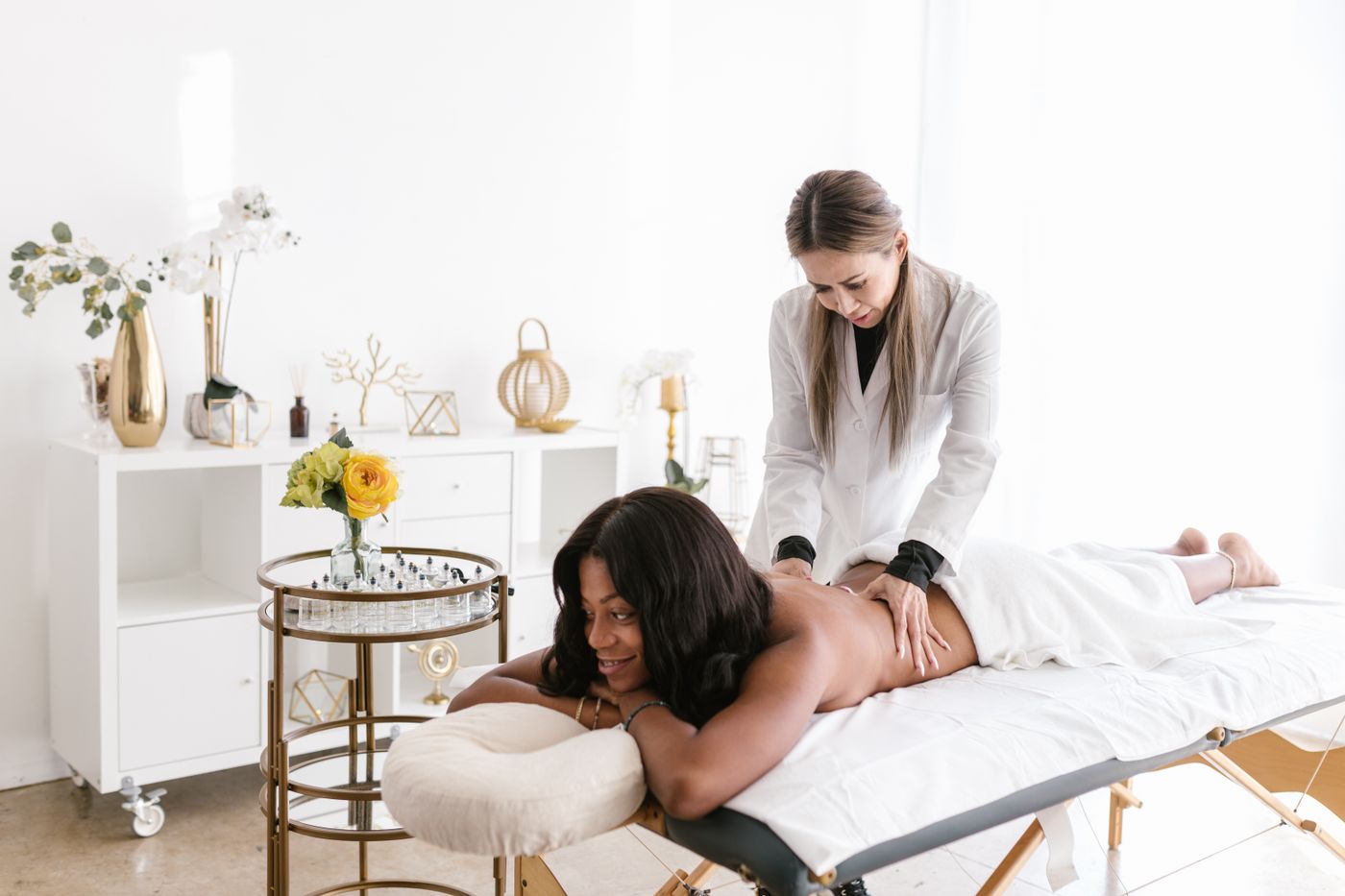
02 · Before the appointment
A little preparation makes the consultation clearer
Decide why you are booking
General relaxation, temporary tension, sports recovery or a defined area of discomfort.
Note the location and pattern
Know when the concern began, what worsens it and whether it follows an injury.
Prepare relevant information
Include medicines, recent procedures, pregnancy, allergies and significant medical conditions.
Think about preferences
Pressure level, areas to avoid, room temperature, conversation and positioning.
03 · The opening consultation
The therapist should understand the person before touching the body
A first session usually includes questions about the reason for booking, health history, current symptoms and treatment preferences. The answers guide pressure, positioning, treatment area and whether massage should proceed.
Where is the discomfort, how long has it been present and what does it feel like?
Helps define whether the session is broad, focused or inappropriate without assessment.
Any clotting risk, fragile bones, heart condition, cancer care, diabetes or neurological concern?
Some conditions require gentler pressure, special positioning, medical guidance or postponement.
Are you using blood thinners, pain medicines or treatment affecting skin or sensation?
Medicines can change bruising risk, pain perception and tissue sensitivity.
Any surgery, injury, injection, hospital treatment, fever or active infection?
Healing tissue and acute illness may not be suitable for massage.
Which areas may be treated, which should be avoided and what pressure feels acceptable?
Consent must be specific and can be changed at any time.
04 · Clothing
Undress only to your own comfort level
Some massage styles are performed over loose clothing. Others use direct contact with the skin and massage oil or lotion. The therapist should explain what is needed before leaving the room so the client can prepare privately.
01You may keep on any clothing you prefer.
02The treatment can be adapted around clothing.
03You should not feel pressured to remove more than feels comfortable.
05 · Draping
Only the agreed treatment area should be uncovered
Sheets or towels protect warmth and privacy. The therapist should uncover only the area being worked on and secure the drape appropriately before treatment begins.
01Private areas remain covered.
02Draping should be explained before any adjustment.
03The client may request more coverage or stop the treatment.
06 · Positioning
The table should support the body rather than create new strain
Common for back and leg work
A face cradle and support beneath the ankles or abdomen can improve comfort.
Used for the front of the legs, arms, neck or head
A bolster beneath the knees may reduce lower-back tension.
Useful when lying flat is uncomfortable
Often adapted for pregnancy, breathing concerns, pain or mobility limitations.
Suitable for shorter or clothed treatments
Chair massage may focus on the back, shoulders, neck, arms and hands.
07 · The appointment route
What usually happens from arrival to completion
Arrive
Complete the intake
Share the reason for booking, relevant health information and treatment preferences.
Agree
Confirm the treatment plan
Discuss areas, pressure, clothing, draping, products and expected session length.
Prepare
Change and position privately
The therapist leaves the room and returns only after the client is ready.
Begin
Establish pressure gradually
The first strokes help warm the area and confirm how the client responds.
Adapt
Change pressure and focus
The therapist checks comfort and modifies the plan when needed.
Finish
Allow time to rise slowly
The therapist leaves the room while the client dresses and regains balance.
Review
Discuss the response
Note comfort, tenderness, movement and whether the treatment goal was addressed.

08 · Pressure and sensation
Firm pressure is optional, and pain is not proof of effectiveness
Different techniques use different levels of pressure. A therapeutic session may feel focused or intense, but the client should not need to brace, hold their breath or silently tolerate sharp pain.
Broad, calming contact and gentle soft-tissue work.
Clear pressure that remains comfortable and allows normal breathing.
Focused pressure agreed with the client and adjusted continuously.
Sharp, burning, electrical, numbing or intolerable pain.
09 · Communication during treatment
Silence does not have to mean comfort
A professional therapist should welcome feedback. The client can change pressure, positioning, music, conversation, room temperature or the treatment area at any point.
01“Please use less pressure on that area.”
02“That feels sharp rather than comfortably firm.”
03“My arm is becoming numb in this position.”
04“Please keep that area covered.”
05“I do not want that part of my body treated.”
06“I would like to end the session now.”
10 · What may be used
Products and room details should be explained when relevant
Reduces friction during direct skin contact
Share fragrance, nut, botanical or skin sensitivities before application.
Warm towels or stones may be added
Temperature should be checked carefully, especially when sensation is reduced.
Fragrance is optional
Essential oils can irritate some people and should not be applied without agreement.
The room can be adjusted
A client may request quieter music, more light or less conversation.
11 · Health information to discuss beforehand
Some conditions change the safest treatment plan
Sharing relevant health information does not automatically prevent massage. It allows the therapist to modify pressure, positioning and treatment area or recommend medical advice first.
Previous clot, suspected deep-vein thrombosis or one-sided swelling.
Firm massage may increase bruising or bleeding risk.
Osteoporosis, bone disease or recent fracture requires caution.
Healing tissue may need clearance and specialised modification.
Positioning, pressure and practitioner training should be appropriate.
Treatment sites, lymph-node procedures and bone health may alter the plan.
Open wounds, burns, rashes and active infection should not be massaged.
Neuropathy can make heat or excessive pressure harder to detect.
15 · After the massage
Return to normal activity according to how the body responds
Sit up and stand gradually
Tell the therapist if you feel dizzy, weak or unusually unwell.
Use comfortable movement
Gentle walking or mobility may feel better than immediate intense training.
Drink according to ordinary needs
Extreme water intake or “detox” routines are not required after massage.
Review tenderness and benefit
Mild temporary soreness should settle rather than continue worsening.
16 · Usually monitor
Temporary responses
01Mild tenderness after unfamiliar or deeper work.
02Feeling relaxed, sleepy or mentally quiet.
03A temporary sense of warmth in the treated area.
04A need to move slowly immediately after the session.
17 · Seek advice
Concerning responses
01Severe, sharp or increasing pain.
02New numbness, weakness or shooting pain.
03Significant swelling, bruising or loss of movement.
04Breathing difficulty, chest pain, fainting or feeling acutely unwell.
18 · Choosing the therapist
A professional service is more than technique
Relevant education and experience
Specialised health situations require additional knowledge.
Health screening before treatment
The therapist should ask enough questions to plan safely.
Fresh linens and clean equipment
Products should be dispensed without contaminating shared containers.
Clear boundaries and appropriate draping
The client remains in control throughout the session.
Pressure and comfort are checked
Feedback should lead to immediate adjustment.
Willingness to refer concerns
A massage therapist should not diagnose disease or discourage medical care.
19 · Medical assessment first
Do not book massage to investigate an urgent symptom
Massage may be inappropriate when the cause of pain, swelling or neurological change is unknown.
01One-sided leg swelling, warmth, redness or tenderness that may indicate a clot.
02Chest pain, breathing difficulty, fainting or sudden weakness.
03Severe pain after a fall, collision or other injury.
04Fever, pus, spreading redness or another sign of active infection.
05New numbness, loss of strength or loss of bladder or bowel control.
06Persistent pain that is worsening or has not been medically assessed.