Scalp Integrity · Hair & Nail Integrity
Dandruff on Coily Hair
Anti-dandruff shampoos need direct contact with the scalp, yet curly and coily hair can become dry when medicated cleansing is spread repeatedly through the full length. The solution is not to avoid treatment. It is to separate scalp treatment from strand care so the flakes are addressed without unnecessarily stripping the hair.
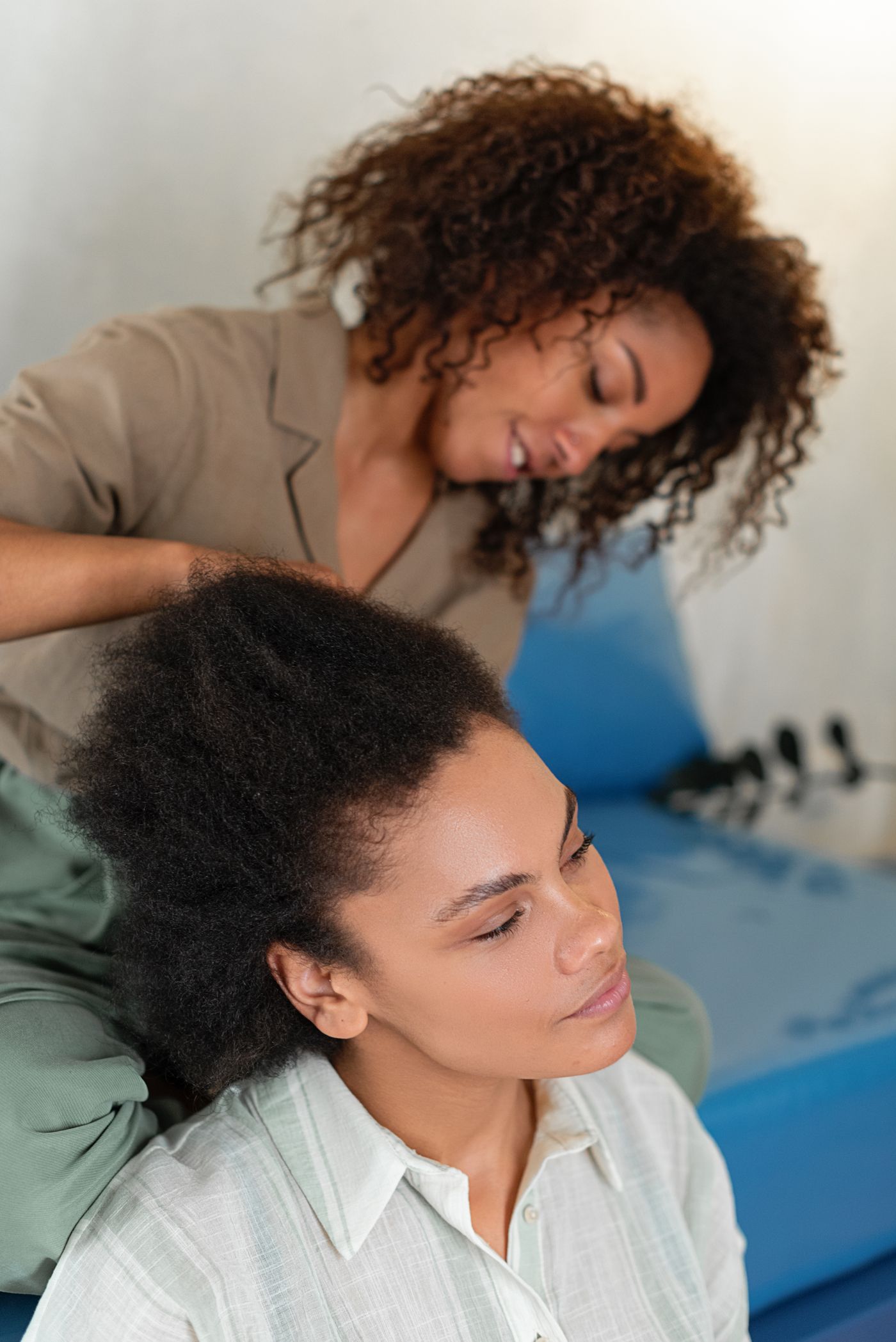
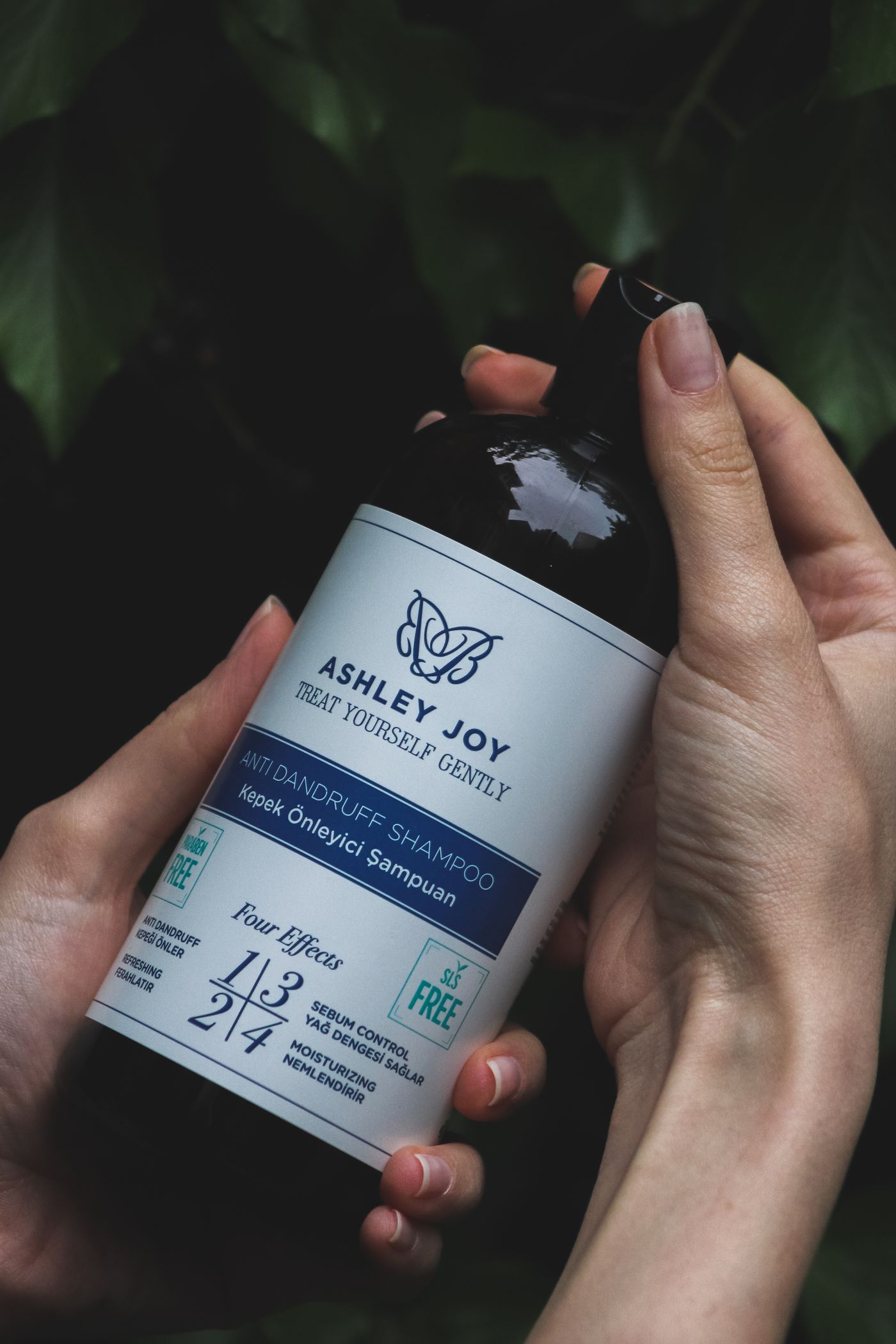
Two needs, one wash day
The scalp needs treatment while the hair needs protection
Dandruff causes visible flakes and often itching. A more inflamed related condition, seborrhoeic dermatitis, can also produce an irritated rash, greasy or dry-looking scale and colour changes on the scalp.
Coily hair is often naturally drier and more fragile along its bends. A medicated shampoo that helps the scalp may therefore leave the lengths rough when it is repeatedly rubbed through the entire head of hair.
The central distinction
Treat the scalp. Condition the strands.
Medicated shampoo belongs here
Part the hair and place the product directly on the skin where flakes, itching and inflammation occur.
Moisture care belongs here
Protect the hair fibre with regular shampoo where needed, rinse-out conditioner and gentle detangling.
Before treating
Check whether the pattern fits ordinary dandruff
Loose flakes with mild itching
The scalp usually flakes without a clearly inflamed rash.
Scale with inflammation
May include greasy scale, persistent itching and darker or lighter patches.
Fine flakes with tightness
Can follow harsh shampoo, hot water, low humidity or over-cleansing.
Thick plaques, pain or hair loss
Psoriasis, contact dermatitis or fungal infection may require different treatment.
The medicated wash method
Reach the scalp without tangling the hair
Dense curls and coils can prevent shampoo from reaching the skin evenly. Work in sections and keep each step controlled.
Divide the hair before wetting
Create several manageable sections so every part of the scalp can be reached.
Wet the scalp thoroughly
Use lukewarm water and gently separate the sections as water reaches the roots.
Apply treatment along the partings
Place the anti-dandruff shampoo on the scalp rather than pouring one large amount over the hair.
Massage with fingertips
Spread the product gently. Fingernails and hard scrubbing can break the skin.
Observe the stated contact time
Follow the product label or professional instructions before rinsing.
Rinse completely
Residual shampoo can continue irritating the scalp and contribute to itching.
Read the label
Common anti-dandruff active ingredients
Availability differs by country. Follow each product’s instructions and seek professional advice when the diagnosis is uncertain.
Antifungal action against yeast involved in dandruff and seborrhoeic dermatitis.
Apply mainly to the scalp and follow the stated treatment and maintenance frequency.
Helps reduce yeast activity and excessive surface-cell shedding.
Rinse very thoroughly and follow product guidance for coloured or chemically treated hair.
Can reduce dandruff-related scale and itching where available.
Use conditioner through the lengths when the shampoo leaves hair feeling dry.
Helps loosen adherent scale from the scalp.
Can feel drying, so avoid unnecessary repeated use through the lengths.
Slows rapid skin-cell turnover and can reduce scaling.
May affect colour-treated hair and can increase sensitivity to sunlight.
Protect the coils
Reduce dryness without weakening the treatment
The medicated shampoo must still touch the scalp. Strand protection happens by limiting how much treatment is rubbed through the lengths and by conditioning after the scalp is rinsed.
Keep sections separated
Sectioning prevents excessive tangling and improves scalp access.
Concentrate treatment at the roots
Do not scrub medicated lather repeatedly through fragile ends.
Condition the lengths fully
Use rinse-out conditioner and detangle from the ends upward.
How often?
Use a schedule the scalp can tolerate
Dermatology guidance notes that people with coarse, naturally curly or coily hair can wash as needed and may use dandruff shampoo about once a week when tolerated.
Some medicated products require a different initial treatment frequency. The label or clinician’s plan takes priority. After improvement, certain treatments are used less often to help prevent recurrence.
Braids, twists and protective styles
The scalp still needs access
Do not cover an active flare
Severe itching, scale, pain or broken skin should be assessed before a long-wear style is installed.
Keep the scalp reachable
Clear partings make cleansing and medicated application easier.
Avoid heavy coating
Thick oils and pomades can trap scale and make the scalp harder to monitor.
Take down when symptoms worsen
Persistent pain, pus, odour or spreading inflammation should not wait until the planned removal date.
Conditioning after treatment
Restore slip without coating the scalp
Apply rinse-out conditioner mainly through the mid-lengths and ends. Detangle while the hair is conditioned, work in small sections and rinse thoroughly.
A lightweight leave-in may be used afterward when needed, but keep rich formulas away from an inflamed or heavily flaking scalp.
Avoid heavy conditioner buildup.
Add only enough for manageability.
Support softness and detangling.
Protect the oldest, driest hair.
After the flakes improve
Maintenance prevents the stop-and-start cycle
Use the treatment schedule
Follow the label or clinician’s frequency until symptoms improve.
Do not stop prematurely
Complete the recommended treatment period even when flakes reduce early.
Use less frequently
Some products continue weekly or every one to two weeks.
Do not keep changing shampoos blindly
Signs that may indicate another scalp condition
Possible scalp psoriasis
Scale may be thick, clearly bordered and extend beyond the hairline.
Possible scalp ringworm
Fungal infection requires prescription treatment and professional diagnosis.
Possible contact dermatitis
Hair dye, fragrance, oils or preservatives may have triggered the reaction.
Possible infection or follicle disorder
These symptoms should not be managed as ordinary cosmetic dandruff.
Professional assessment
When the scalp needs more than over-the-counter care
Arrange a dermatology review when dandruff shampoo has been used consistently for about a month without meaningful improvement, or when treatment causes significant irritation.
Seek prompt care for patchy hair loss, severe pain, pus, swelling, bleeding, a spreading rash or thick scale that cannot be removed safely.