Beard Integrity · Modern Male Grooming
Beard Itch and Flaking
Flakes in a beard can come from ordinary dryness, product irritation, beard dandruff or another skin condition beneath the hair. The right response begins by identifying whether the skin is simply dry, visibly inflamed, greasy and scaly, or showing signs that need professional assessment.
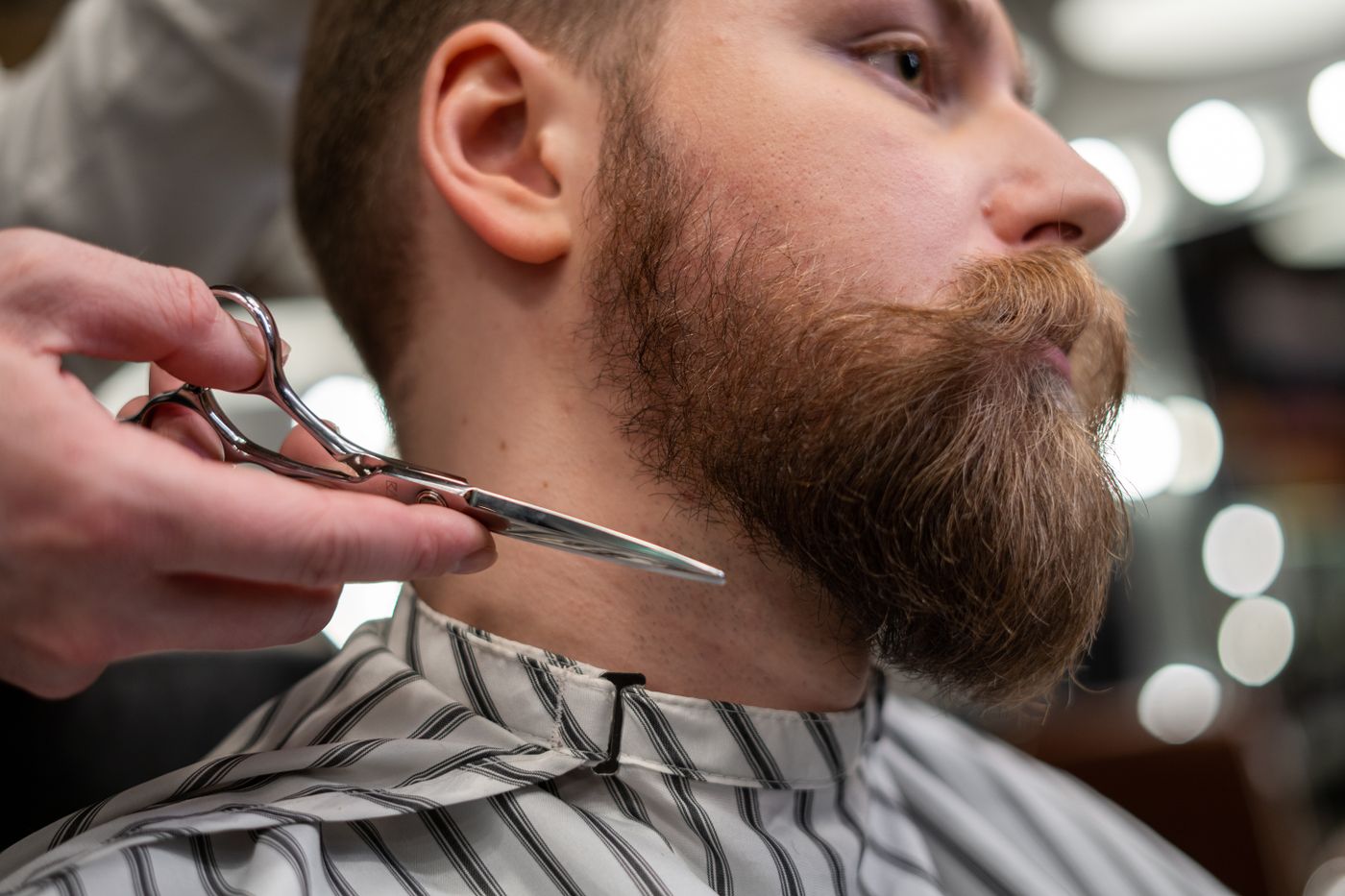
The beard can hide redness, irritation and scale that are easier to treat when recognised early.
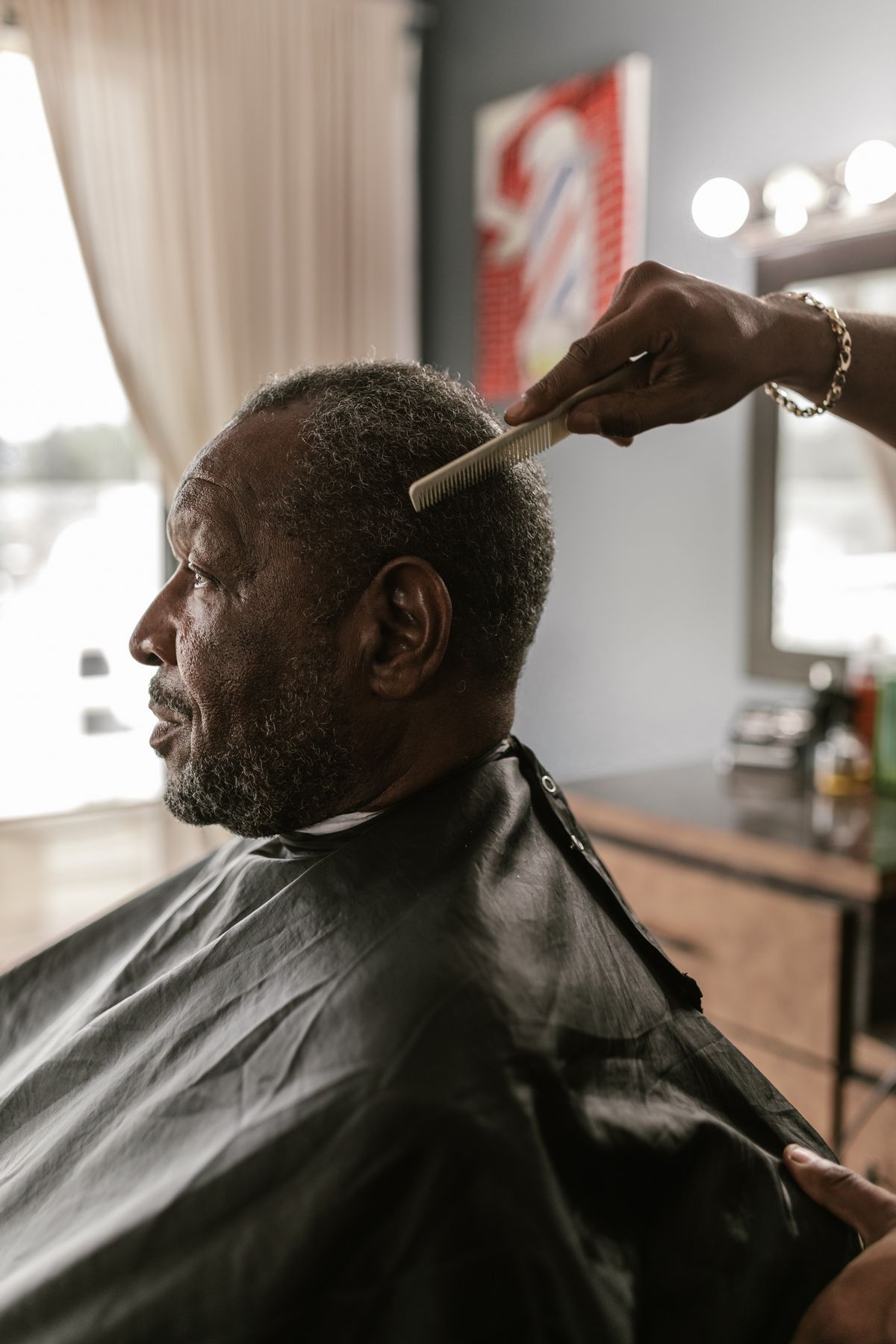
Begin with the skin beneath
The beard is not the source of every flake
Beard hair can trap oil, dead surface cells, sweat and product residue close to the face. If cleansing is incomplete, the buildup may become visible as flakes and may contribute to irritation.
At the same time, washing too aggressively can remove protective oils and leave the skin dry, tight and itchy. The routine must therefore clean the skin without repeatedly stripping it.
The flake finder
Four patterns that can look similar at first
Fine, pale flakes with tightness
The skin may feel rough or uncomfortable, especially after hot water, harsh soap or cold dry weather.
Often improves with gentler washing and regular moisturising.Burning, itching or redness after use
Fragrance, alcohol, essential oils, dyes or strong grooming products may irritate sensitive skin.
Often follows the introduction of a new product.Persistent scale with an itchy rash
Seborrhoeic dermatitis may produce greasy or dry-looking scale, irritation and discoloured skin beneath the beard.
May also affect the scalp, eyebrows, ears or sides of the nose.Pain, pus, spreading rash or hair loss
Folliculitis or fungal infection can resemble ordinary flaking but requires a different assessment and treatment plan.
Do not treat a painful spreading rash as simple dryness.Read the pattern
What the skin is telling you
Use the appearance, timing and sensation together rather than focusing only on the flakes.
Especially after cleansing or hot showers.
May suggest seborrhoeic dermatitis when itching and rash are also present.
Often follows fragranced or alcohol-heavy products.
Persistent itch deserves more than repeated beard oil.
Folliculitis or ingrown hairs may be involved.
Hair loss with scale or swelling is not ordinary beard dryness.
The daily wash
Clean the skin without scrubbing it raw
Wet thoroughly
Use lukewarm water so the cleanser can reach the skin beneath the beard.
Use a gentle cleanser
Massage with fingertips instead of nails, rough brushes or abrasive cloths.
Reach the skin
Part longer beard hair and work the cleanser beneath it, not only over the surface.
Rinse completely
Remaining cleanser, shampoo or styling product can continue irritating the skin.
Pat slightly damp
Use a clean towel and avoid rough rubbing through the beard.
After cleansing
Moisturise the skin, not only the beard hair
Moisturiser works best when applied immediately after washing while the skin is still slightly damp. Massage it through the beard so it reaches the face beneath.
Product choice should reflect skin type. Acne-prone skin may prefer a beard conditioner or light non-comedogenic moisturiser. Sensitive skin often does better with a fragrance-free formula.
Choose a product suited to oily, dry, normal or sensitive skin.
Work it directly into the skin beneath the hair.
Use sparingly and avoid heavy buildup.
Reduce alcohol, fragrance and unnecessary active ingredients.
Product compatibility
What helps—and what often makes itching worse
Reduces unnecessary scent ingredients on irritated skin.
Very strong foaming agents may still feel drying.
Supports hydration while reducing the likelihood of clogged pores.
A formula can still feel too heavy for some skin types.
Softens facial hair and can improve comfort beneath a full beard.
Apply lightly so residue does not accumulate around follicles.
May reduce roughness for normal-to-dry skin and longer beards.
Can feel greasy or worsen breakouts in acne-prone skin.
May feel cooling for a moment.
Can dry, sting and aggravate already inflamed skin.
When the pattern suggests beard dandruff
Seborrhoeic dermatitis needs a different plan
Persistent flakes with an itchy rash, greasy patches or scale affecting the scalp and facial folds may represent seborrhoeic dermatitis rather than ordinary dryness.
Brush gently before washing
A soft beard brush can lift loose scale, but hard brushing can worsen irritation.
Wash with an appropriate medicated product
A dermatologist may advise a dandruff shampoo or medicated cleanser for the beard area.
Follow contact-time instructions
Rinsing immediately may reduce effectiveness; follow the label or medical plan precisely.
Moisturise after rinsing
Hydrated skin is less likely to become tight and irritated after treatment.
Medicated products and topical steroids should be used according to label directions or professional advice. Persistent beard dandruff, pain, broken skin or acne-like breakouts should be assessed by a dermatologist.
Flare triggers
Why the same beard can feel comfortable one week and itchy the next
Hot showers
Heat removes protective oils and can intensify dryness.
Cold dry air
Low humidity increases water loss from the surface.
Salt and moisture
Sweat trapped beneath the beard may irritate inflamed skin.
Pomade and fragrance
Hair products can transfer to the beard area and trigger flares.
Recurring inflammation
Seborrhoeic dermatitis may become more noticeable during stressful periods.
Incomplete rinsing
Cleanser and grooming products left behind can continue irritating the skin.
A simple weekly ledger
Keep the routine consistent enough to judge it
Clean and moisturise
Wash gently, rinse fully and hydrate the skin beneath the beard.
Rinse or cleanse
Do not leave sweat and styling residue trapped for the whole day.
Use medicated treatment
Follow label or dermatologist instructions rather than guessing frequency.
Clean grooming tools
Wash combs and brushes and allow them to dry completely.
Common mistakes
Why the itch keeps returning
Adding more oil without cleansing
Oil cannot remove scale, sweat or product residue trapped beneath the beard.
Scratching with fingernails
This creates small wounds and raises the risk of infection and dark marks.
Using scalp shampoo every day
A harsh formula may over-dry facial skin when used too frequently.
Ignoring the scalp and eyebrows
Flaking in several oily areas can point toward seborrhoeic dermatitis.
Switching products constantly
Changing several products at once makes the trigger difficult to identify.
Covering pain with fragrance
A scented oil may hide odour but cannot treat an inflamed or infected rash.
Look beyond dandruff
Signs that the problem may be something else
Round scale, swelling or broken hairs
Beard-area ringworm requires prescription antifungal treatment and professional diagnosis.
Pus-filled, tender follicles
May be caused by infection, friction or ingrown hairs.
Burning rash after a product
Fragrance, dye, oils or preservatives may be responsible.
Persistent thick scale or recurring inflamed patches
These conditions need a plan based on the correct diagnosis.
Professional assessment
When beard itch should not be managed alone
Seek medical assessment for pain, pus, swelling, broken skin, a spreading rash, patchy hair loss, bleeding, a growing lump or symptoms that continue despite a consistent gentle routine.
Professional care is also important when suspected dandruff repeatedly returns, when medicated products cause significant irritation or when the diagnosis remains uncertain.