Shaving Technique · Modern Male Grooming
How to Shave Correctly
A reliable shave follows a repeatable order: soften the hair, lubricate the skin, follow the direction of growth, keep the blade clean and finish with calm aftercare. Skipping one stage usually creates extra drag, pressure and irritation later.
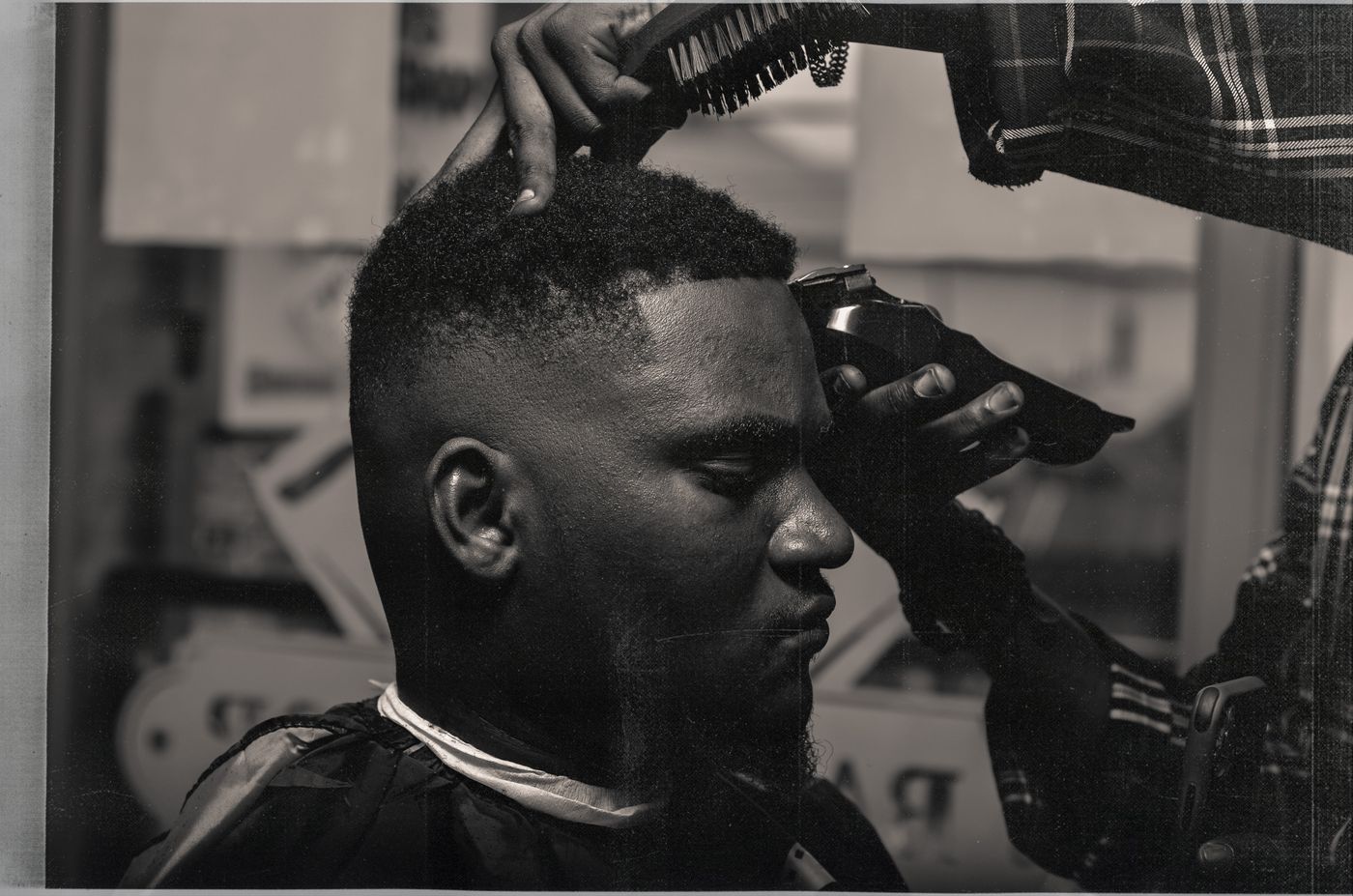
The blade should move through softened hair with minimal pressure.
The foundation
A clean shave should not require force
Shaving removes hair at the surface, but the blade also travels across the outermost skin layer. Poor lubrication, repeated strokes and excess pressure can produce small cuts, razor burn and inflammation.
Correct technique does not mean every skin type must tolerate an extremely close shave. Men with tightly curled beard hair may need to leave slight stubble to reduce ingrown hairs.
Before you begin
Build a simple shaving kit
Gentle cleanser
Removes oil and residue without stripping the skin.
Warm water
Softens beard hair so it cuts with less force.
Shaving cream
Creates a lubricating layer beneath the blade.
Sharp razor
Cuts cleanly instead of pulling or scraping.
Clean towel
Lets you pat the skin dry rather than rub it.
Gentle moisturiser
Supports comfort after shaving.
The complete procedure
Eight steps from preparation to finish
Follow the order instead of trying to repair irritation after it has started.
Shave after warm water exposure
Shave at the end of a shower or hold a warm damp cloth against the beard.
Apply shaving cream evenly
Cover every area the blade will touch and allow the formula to soften the hair.
Identify the direction of growth
Map the cheeks, jaw, chin and neck separately because growth direction changes.
Use short strokes with the grain
Hold the razor lightly and move in the direction the hair naturally grows.
Rinse after every swipe
Hair and cream trapped between blades reduce cutting efficiency.
Reapply cream before another pass
Never repeatedly shave an area after its lubricating layer has been removed.
Use cool or lukewarm water
Remove residue and place a cool damp cloth on skin that feels warm.
Moisturise and protect
Use gentle moisturiser and daytime broad-spectrum SPF 30 or higher.
Control the biggest variables
Pressure and repeated passes
A sharp blade should cut because of its edge, not because the handle is forced into the skin.
The razor remains in contact without force.
Complete the first pass with the grain.
Recoat the area before revisiting it.
Never scrape unlubricated skin for one hair.
Treat each area separately
A practical facial shaving map
Begin on flatter areas
They are easier to control while tougher hair continues softening.
Use small strokes
Keep the lip relaxed and avoid heavy pressure near the corners.
Allow more time
Chin hair is often coarse and may grow in several directions.
Follow the curve
Turn the head without pulling the skin tightly.
Map carefully
Neck hair often changes direction and commonly develops bumps.
Blade maintenance
A clean blade is part of correct technique
Rinse every swipe
Clear hair and cream from the cutting edge.
Dry completely
Store away from a wet shower ledge or sink.
After 5–7 shaves
Change sooner when the blade pulls, rusts or bends.
Share razors
Personal razors can carry blood and microorganisms.
When acne is present
Shave around inflammation
Use a sharp blade and light pressure. Do not attempt to shave off raised acne.
Test electric and disposable razors to learn which causes less irritation.
When bumps are common
Reduce closeness
Shave with the grain, avoid skin stretching and consider a single-blade or electric tool.
Tightly curled hair may need slight visible stubble to prevent re-entry into the skin.
Correct common mistakes
When the shave feels wrong, check the cause
Hair is dry or the blade is dull.
Reapply warm water and cream, or replace the blade.
Pressure, dry passes or irritating products.
Stop, rinse, cool the skin and simplify aftercare.
Hair was cut too close or against the grain.
Leave more stubble and follow growth direction.
Strokes are too long or rinsing is infrequent.
Use shorter strokes and rinse each swipe.
Speed, pressure, stretching or a damaged blade.
Slow down, use light pressure and replace the blade.
The post-shave reset
Give the skin a calm finish
Cool
Use a cool damp cloth when skin feels warm.
Pat dry
Avoid rubbing with a rough or used towel.
Moisturise
Use a gentle non-comedogenic formula.
Protect
Apply broad-spectrum SPF 30+ outdoors.
Professional assessment
When technique is not enough
Seek care for spreading redness, pus, significant swelling, severe pain, fever or repeated bleeding.
Review is also appropriate when bumps continue despite changed technique or create dark marks and scars.