Dr John’s Skincare Science
Acne Care for Darker Skin
Acne on darker skin needs a balanced approach. The routine must reduce active breakouts while also protecting the skin from irritation, long-lasting dark marks and avoidable scarring.
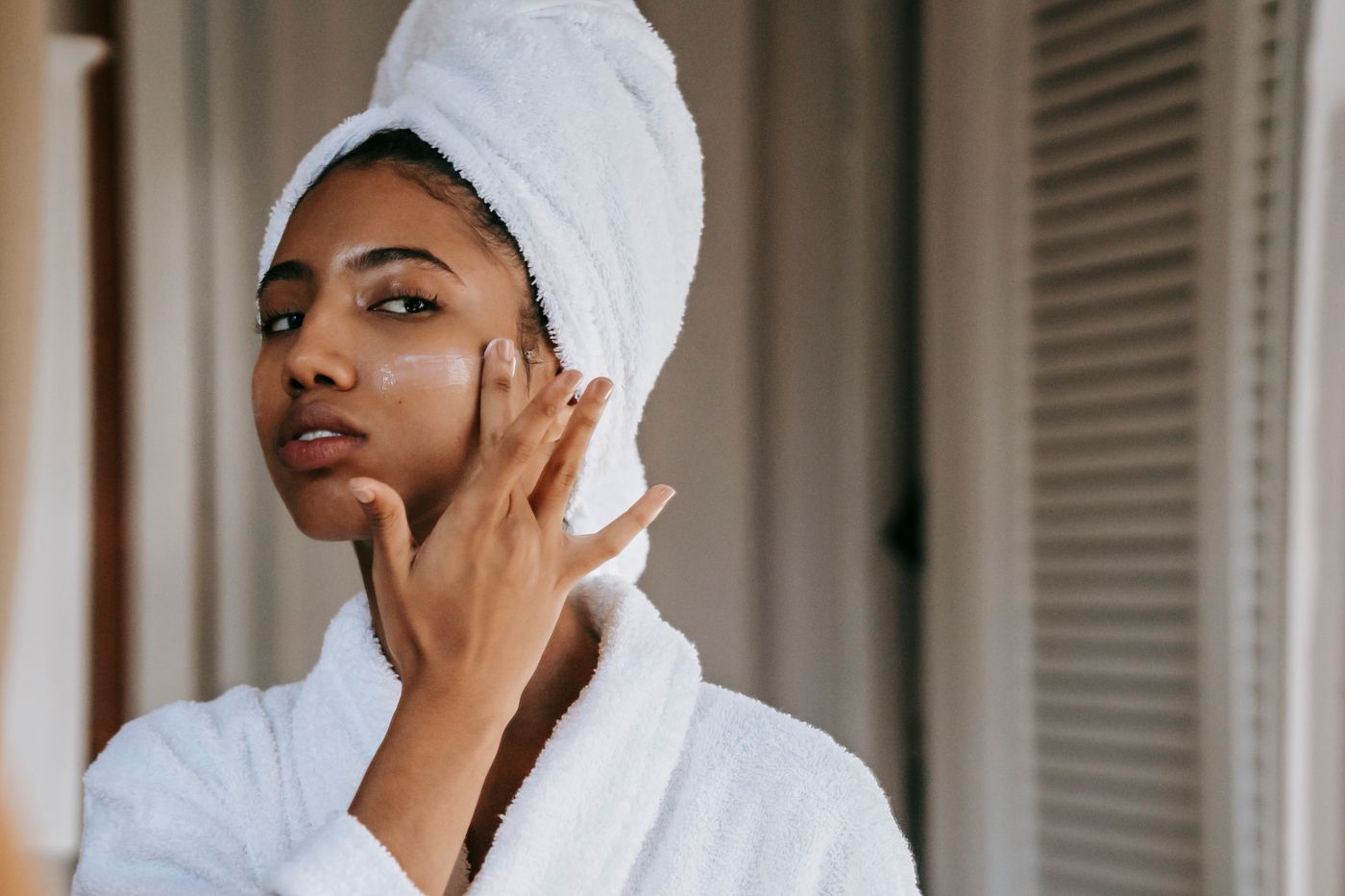
Understanding the full concern
Treat the breakout and the mark it may leave behind
Acne develops when pores become blocked by oil and dead skin cells. Some blemishes remain close to the surface, while others become red, swollen, tender or deeply inflamed.
In medium-to-deep skin tones, inflammation can also stimulate extra pigment. This means a pimple may settle but leave a flat brown, deep-brown or grey-brown mark that remains visible for much longer.
Recognise what you are treating
Not every acne lesion behaves the same way
Identifying the dominant type of acne helps determine whether careful home care may be enough or whether professional treatment is needed.
Blackheads and whiteheads
These develop when pores become blocked. They may feel rough or appear as small dark or pale bumps.
Inflamed pimples
Red or tender bumps contain more inflammation and have a greater chance of leaving visible discolouration.
Deep nodules or cysts
Large, painful lesions sit deeper in the skin and carry a higher risk of permanent scarring.
Post-acne dark marks
Flat areas of colour after a blemish are often pigmentation rather than a raised or indented acne scar.

Start with the foundation
Keep the routine gentle enough to repeat
Acne treatment works best when it is used consistently. A complicated routine that burns, strips or repeatedly irritates the skin is difficult to maintain and may worsen discolouration.
- Wash gently rather than scrubbing the skin.
- Use lukewarm water and avoid rough cleansing tools.
- Choose non-comedogenic skincare, makeup and sunscreen where possible.
- Moisturise when treatment causes dryness or tightness.
- Introduce one new treatment at a time so irritation can be identified.
A practical structure
A simple morning and evening routine
The exact treatment should match your acne type and skin tolerance. Keep the supporting steps straightforward.
Morning
- Cleanse gently. Remove oil and buildup without vigorous rubbing.
- Use the selected acne treatment. Apply only as directed and begin gradually when appropriate.
- Moisturise. Support the barrier with a lightweight, non-comedogenic formula.
- Protect. Finish with broad-spectrum SPF 30 or higher.
Evening
- Remove makeup and sunscreen. Avoid sleeping with residue on the skin.
- Cleanse without stripping. Twice-daily washing is usually enough unless advised otherwise.
- Apply the evening treatment. More product does not produce faster clearing.
- Moisturise and leave the skin alone. Avoid squeezing or repeatedly touching blemishes.
Two linked goals
Control acne without creating more pigmentation
Treating only the dark marks while new pimples continue to form creates an endless cycle. The acne must be controlled so fewer marks are produced.
At the same time, the treatment should not be so harsh that it causes persistent burning, peeling or inflammation. In darker skin, irritation itself can contribute to additional discolouration.
Common treatment options
Ingredients that may be used in acne care
The best option depends on whether the acne is mainly blocked pores, inflamed blemishes, deep lesions or a combination. Sensitivity, pregnancy, existing medication and other skin conditions also matter.
Benzoyl peroxide
Helps reduce acne-causing bacteria and inflammation. Lower strengths may be easier to tolerate on sensitive skin.
Salicylic acid
Helps clear material inside pores and may be useful when blackheads and whiteheads are prominent.
Azelaic acid
May support both acne control and the appearance of post-acne pigmentation in some routines.
Topical retinoids
Help keep pores clear and may improve acne over time, but irritation and pregnancy-related restrictions require care.
Prescription treatments, oral medication and isotretinoin require assessment and supervision by a qualified medical professional. Do not copy another person’s prescription or combine several strong products without guidance.
Daily details matter
Small habits that can influence breakouts
Hair and scalp products
Oils, pomades and styling products can transfer onto the forehead, temples or cheeks. Keep heavy products away from acne-prone facial areas.
Makeup and applicators
Choose products labelled non-comedogenic and clean reusable brushes or sponges regularly.
Exercise and sweat
Remove sweaty clothing and cleanse gently after activity instead of allowing sweat and friction to remain on the skin.
Hands and picking
Squeezing, scratching and repeatedly touching blemishes can prolong inflammation and increase the risk of marks and scars.
Protect your progress
Common mistakes that make acne harder to manage
Scrubbing harder
Acne is not caused by dirty skin. Aggressive scrubbing can increase irritation without clearing blocked pores.
Changing treatment every few days
Acne treatment often requires several weeks or a few months. Constant switching can irritate the skin and hide what is working.
Applying treatment only to visible pimples
Some treatments are designed for the whole acne-prone area because they help prevent lesions that are still forming.
Stopping as soon as the skin improves
Many people need a maintenance plan to reduce recurrence after the initial breakout settles.
Realistic expectations
Clearing acne takes consistent time
Improvement is normally gradual. The aim is to see fewer new blemishes, less inflammation and better tolerance of the routine—not overnight perfection.
Focus on correct use, reducing irritation and allowing the skin to adjust to the chosen treatment.
New breakouts may become less frequent as consistency improves and the treatment begins to work.
Persistent acne should be reviewed so the plan can be adjusted rather than continuing an ineffective routine indefinitely.
Professional assessment
When acne needs more than home care
Seek professional care for large painful nodules, cysts, spreading inflammation, permanent scarring or acne that is affecting confidence and wellbeing.
Assessment is also important when acne appears suddenly, involves the chest or back extensively, persists despite consistent treatment, or occurs with irregular periods or other hormonal symptoms.